Adaptive Payout Systems Drive Changes in Reward Dynamics for Online Table Games and Sports Platforms
Written by Taylor Walter · Aug 31, 2026

Adaptive Payout Systems Drive Changes in Reward Dynamics for Online Table Games and Sports Platforms
Adaptive payout algorithms now form a core component of many digital table game and sports betting environments, where they continuously adjust reward frequencies, multipliers, and odds structures based on aggregated player data patterns. These systems process inputs such as betting volume, session duration, and historical outcomes to modify payout cycles in real time, which allows operators to maintain target margins while responding to individual account behaviors across platforms.
Operators deploy these algorithms primarily in games like blackjack, roulette variants, and poker tables, as well as in sports markets covering football, basketball, and tennis. The technology evaluates risk exposure at the account level and recalibrates elements such as bonus trigger rates or parlay multipliers accordingly, which creates variable reward cycles that shift from one session to the next rather than remaining fixed across all users.
Mechanics Behind Algorithmic Adjustments
At the technical level, machine learning models ingest streams of gameplay metrics and apply weighted factors to determine when a payout cycle should accelerate or contract. For table games, this might mean altering the frequency of dealer bust events in simulated blackjack or shifting roulette number distribution clusters within defined probability bands, while sports platforms use similar logic to tweak live odds on prop bets or adjust accumulator bonuses during high-volume match periods.
Platform data indicates that these adjustments occur at intervals ranging from seconds during live events to hourly reviews in table game sessions. The result is a reward environment where players encounter different return patterns depending on their recent activity, a shift from static payout tables that once defined most online offerings.
Effects on Table Game Reward Cycles
In digital table environments, adaptive systems have altered how bonus features and side bet payouts distribute over time. One study of major European operators revealed that accounts showing rapid bet escalation triggered tighter cycle controls, which reduced the appearance of high-multiplier hands within short windows, whereas lower-volume sessions often received expanded reward windows to sustain engagement.
These changes affect games such as baccarat and Caribbean stud poker particularly, where side bet structures now respond to overall platform load and individual risk profiles. Observers note that the approach allows operators to balance liability across thousands of concurrent tables without manual intervention.
Impacts Observed in Sports Betting Markets
Sports platforms apply comparable logic to live and pre-match markets, where algorithms monitor liability on specific legs of parlays and modify payout structures for subsequent bets. Data from North American operators shows increased use of dynamic multipliers on same-game parlays, with adjustments triggered when certain player prop combinations exceed internal thresholds.
In August 2026, several major sportsbooks expanded these features to include real-time recalibration during major tournaments, which produced measurable shifts in average return-to-player figures across mobile sessions. Accounts that maintained consistent stake levels encountered different accumulator bonus rates compared with those showing abrupt increases, illustrating how reward cycles adapt to behavioral signals.
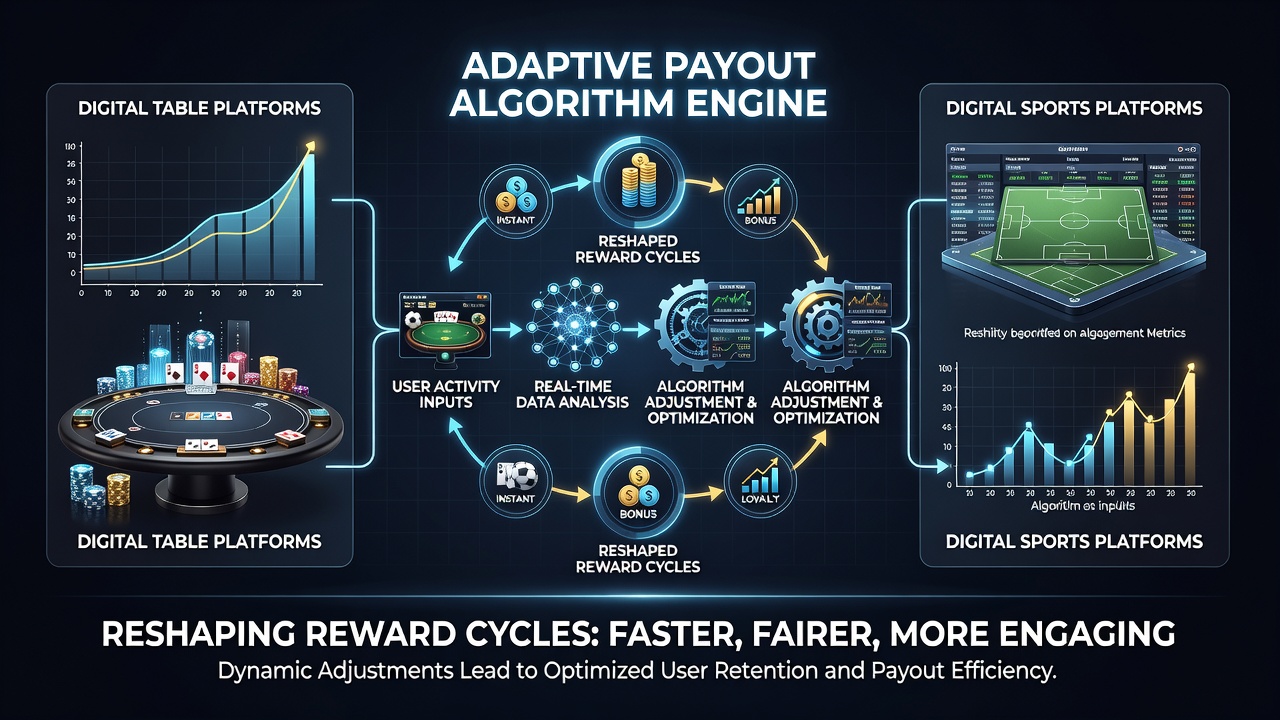
Research from the American Gaming Association highlights that such systems reduce variance in operator margins while creating more segmented player experiences. The same report notes that sports markets have seen faster adoption rates than table games because live data feeds provide richer inputs for algorithmic decisions.
Regulatory and Technical Considerations
Regulatory bodies in multiple jurisdictions now require transparency reports on how adaptive algorithms influence payout distributions. Australian authorities, for instance, have requested detailed logs of cycle modifications to ensure compliance with fairness standards, while Canadian provincial regulators have begun reviewing similar documentation for licensed online operators.
Technical implementation typically involves secure data pipelines that separate player identifiers from payout logic to maintain privacy, although the precise weighting methods remain proprietary in most cases. Industry reports from the Australian Institute of Family Studies indicate that these requirements have prompted operators to invest in auditable model versions that can be reviewed during compliance checks.
Conclusion
Adaptive payout algorithms continue to influence reward structures across digital table and sports platforms by introducing variability that responds to real-time conditions and account-level patterns. The approach has produced measurable shifts in how players encounter bonuses and odds adjustments, with data from multiple regions showing ongoing refinement of these systems through 2026. As platforms expand their data collection capabilities, the scope of algorithmic influence on reward cycles is expected to grow further within established regulatory frameworks.