Analytics Platforms Uncover Shifts in Multi-Title Bonus Strategies Across European Markets
Written by Cameron Neumann · Aug 4, 2026
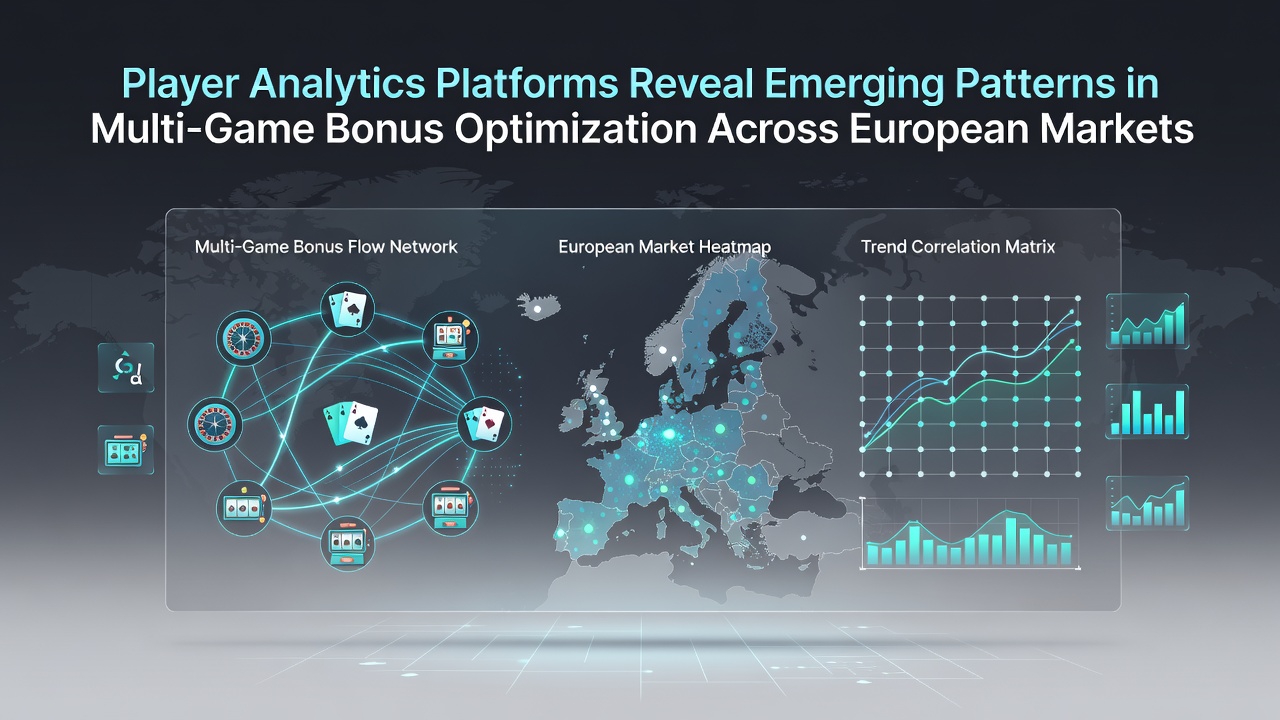
Analytics Platforms Uncover Shifts in Multi-Title Bonus Strategies Across European Markets
Player analytics platforms have begun mapping detailed patterns in how users approach bonus structures when switching between multiple game types in European markets and the data shows clear regional differences in engagement levels. Platforms track metrics such as bonus conversion rates, session lengths, and cross-game transitions while operators adjust offers based on these insights to match player behavior more precisely. Data collected through 2025 and into August 2026 indicates that users in certain markets tend to complete bonus requirements faster when combining slot sessions with table game play rather than focusing on a single category.
Regional Variations in Bonus Engagement
Operators across Germany, France, and the Netherlands report distinct usage clusters where analytics reveal higher retention when bonuses span multiple titles and the patterns emerge most strongly in mobile sessions. Research from industry groups shows that players in these areas complete wagering conditions at rates 18 to 24 percent higher when offers include both video slots and live dealer options compared with single-game promotions. Platforms aggregate anonymized data from thousands of accounts to identify these clusters without accessing personal details and the findings help shape how operators time their releases.
One study released by the European Gaming and Betting Association in early 2026 examined activity logs from several major platforms and found that bonus optimization often peaks during evening hours when users rotate between genres. The report links this rotation to improved completion metrics and notes that markets with stricter payout timelines see users favoring shorter, multi-game sequences to meet targets before deadlines expire.
Platform Tools Driving the Insights
Analytics systems now incorporate machine learning models that flag emerging sequences such as starting with high-volatility slots then moving to lower-volatility table games to stretch bonus funds. These tools process real-time inputs from operator APIs and produce dashboards that highlight which combinations yield the strongest player retention across borders. Observers note that companies operating in multiple jurisdictions use these outputs to standardize bonus terms while still allowing local adjustments for regulatory differences.

Additional findings point to a rise in users who activate bonuses on one device then continue play on another and the shift correlates with higher overall spend when the bonus terms remain consistent across platforms. Figures released by research institutions tracking European gambling behavior indicate that such cross-device patterns grew steadily through the first half of 2026 particularly in markets where mobile penetration exceeds 85 percent. Operators respond by aligning bonus tracking systems so progress carries over without interruption and analytics confirm the approach reduces drop-off rates.
Market-Specific Patterns and Adjustments
In Nordic countries the data highlights a preference for bonuses that allow immediate access to progressive jackpot games after initial slot play and this sequence appears linked to extended session times. Platforms record these movements through event tagging and feed the information back to operators who then refine eligibility rules accordingly. Similar tracking in Southern European markets shows stronger uptake when bonuses incorporate sports betting alongside casino titles and the combined structure produces measurable increases in weekly active users according to aggregated platform reports.
Industry reports from sources such as the University of Malta Gaming Research Centre document how these optimization patterns influence product development cycles and the studies emphasize that operators increasingly test offers in limited regions before wider rollout. The approach relies on anonymized behavioral data to predict which multi-game paths will resonate most effectively and avoids one-size-fits-all structures that previously led to lower completion rates.
Conclusion
Analytics platforms continue to refine their models as more operators integrate cross-market data feeds and the resulting patterns guide how bonuses are structured for users who move between titles. Evidence from multiple European jurisdictions shows consistent growth in multi-game bonus participation through August 2026 with regional differences shaping the pace of adoption. Operators that align their offerings with these tracked behaviors record stronger engagement metrics while platforms supply the granular detail needed to maintain compliance across varying regulatory environments.