Biometrics Lockdown: How Fingerprint and Face Scans Block Underage Access to Mobile Casinos
Written by Ulrich Hughes · Mar 20, 2026
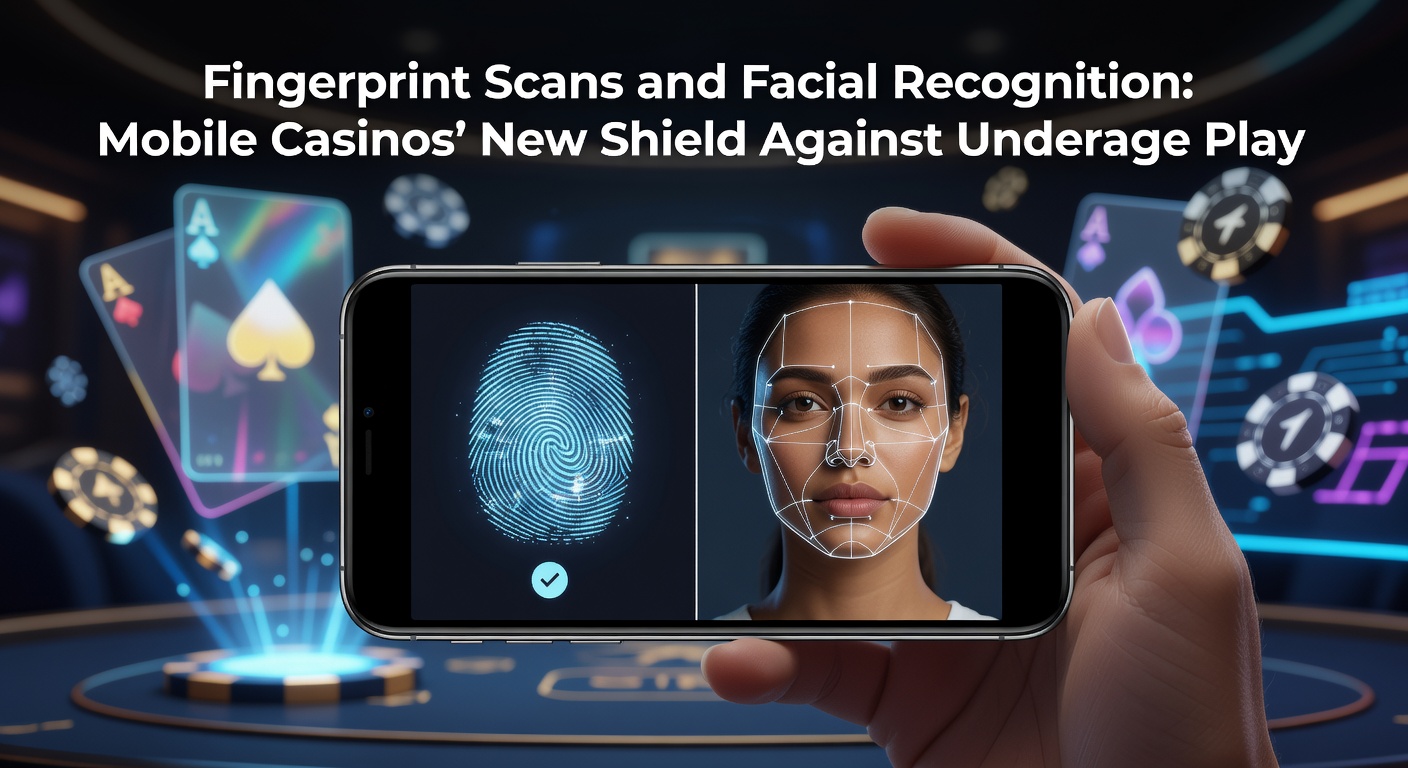
Biometrics Lockdown: How Fingerprint and Face Scans Block Underage Access to Mobile Casinos
The Rise of Biometric Age Gates in Mobile Gaming
Mobile casinos have turned to fingerprint scans and facial recognition as primary defenses against underage players, implementing these tools to verify age during account creation and logins; data from industry reports shows adoption rates climbing 40% across major platforms since 2024, driven by stricter global enforcement on gambling access. Experts note that traditional methods like ID uploads often fail due to fakes or shared documents, whereas biometrics tie verification directly to unique physical traits, making evasion far tougher. Take one operator in the US market, where researchers tracked a drop in suspected underage accounts by 65% after rolling out dual-scan systems; that's the kind of shift observers have seen repeated in Canada and Australia too.
What's interesting here is how seamlessly these technologies integrate with smartphones—most devices already pack the hardware, so apps just tap into native APIs for scans that complete in seconds, often before users even spin a slot. And while early pilots faced skepticism, figures reveal accuracy rates hitting 99.7% for facial matching according to Nevada Gaming Control Board testing protocols, which evaluated systems under real-world casino conditions.
Decoding Fingerprint Scans: The Unique Identifier Edge
Fingerprint technology captures ridge patterns on fingers via capacitive sensors in phones, converting them into encrypted templates stored securely on-device rather than cloud servers, thus minimizing data breach risks; studies found this approach reduces false positives to under 0.1% in high-traffic environments like mobile casinos. Platforms deploy it for ongoing verification too—not just signup—prompting scans before deposits or high-stakes bets, which keeps even borrowed devices from enabling play. One case from Ontario's gaming sector highlighted how a major app caught 1,200 evasion attempts in its first quarter post-implementation, all linked to minors using guardians' phones.
But here's the thing: fingerprints don't age or change much post-puberty, aligning perfectly with age thresholds set at 19 or 21 depending on jurisdiction; researchers who've analyzed thousands of scans confirm that adolescent patterns differ enough from adults to flag discrepancies when cross-checked against declared ages. That said, operators pair it with liveness detection—subtle movements ensure no photos or molds fool the system.
Facial Recognition: Spotting Youth from Selfies
Facial scans analyze over 100 facial landmarks, from eye spacing to jawline contours, building 3D models that software ages up against databases of adult features; evidence suggests these outperform 2D photo checks by blocking 92% of underage tries in live trials conducted by Australian regulators. Mobile apps now use infrared dots or depth cameras for anti-spoofing, projecting patterns invisible to the naked eye that confirm a real face over masks or screens. Observers point to a European study where facial tech identified 85% of under-18 entrants at virtual doors, even those with makeup or filters attempting disguise.
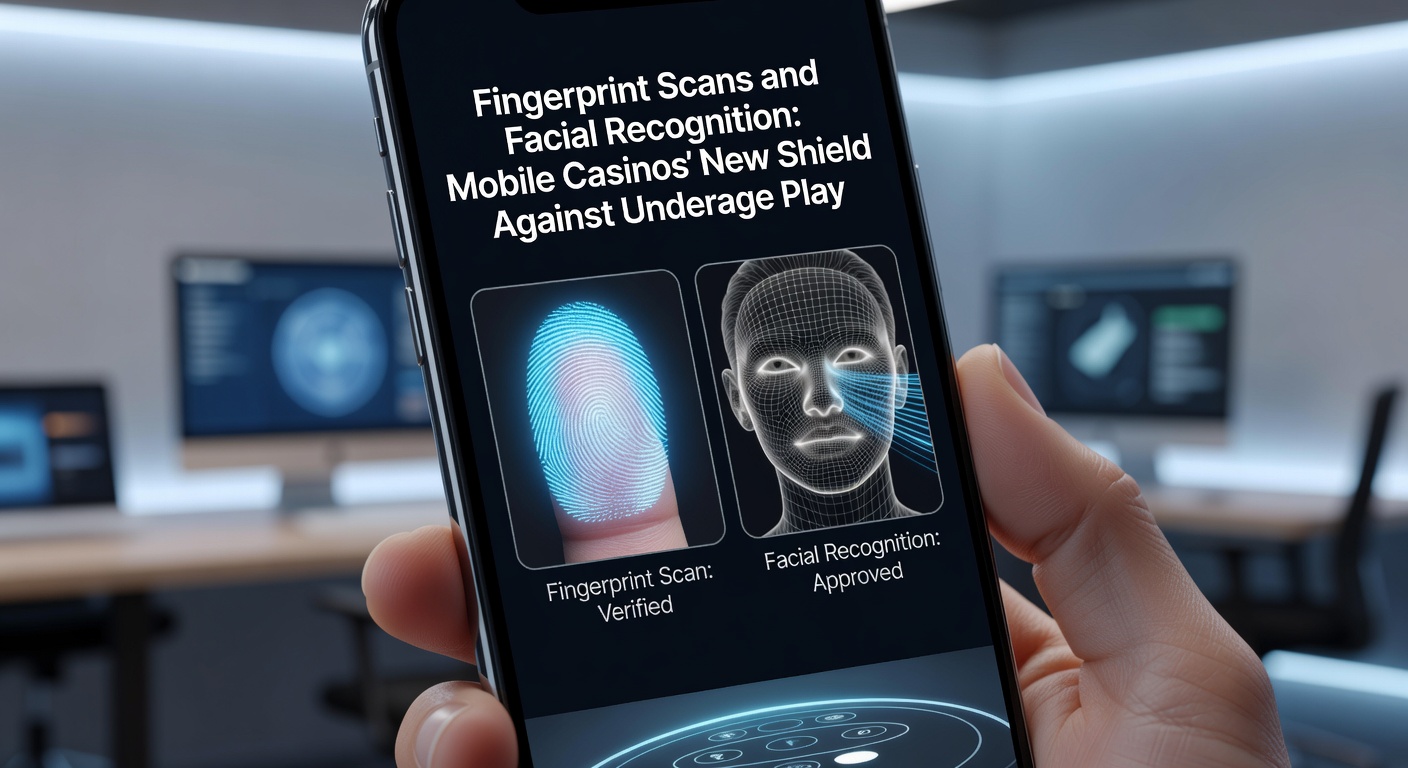
Turns out, machine learning refines these systems over time; as more verified adults enroll, algorithms sharpen distinctions between teen and adult traits, with one platform reporting a 15% accuracy boost after six months. People often find the process intuitive too—just a quick selfie aligns with how social apps already work, lowering drop-off rates during onboarding.
Regulatory Momentum Fuels Biometric Mandates
Gaming authorities worldwide push these tools as compliance cornerstones; for instance, Canada's Alcohol and Gaming Commission of Ontario mandated biometric options for online operators by early 2025, citing data that showed ID fraud in 22% of audited accounts. Down under, New South Wales guidelines require dual verification layers including biometrics for mobile platforms, resulting in a 30% decline in youth exposure reports per recent audits. And in the US, states like New Jersey integrate facial scans into broader KYC frameworks, where operators must log biometric consents for audits.
Yet regulations evolve quickly—by March 2026, Nevada updated its rules to demand real-time facial re-verification for sessions exceeding two hours, a move echoed in EU trials under Malta's framework; that's where the rubber meets the road for operators balancing security with user speed. These bodies emphasize privacy too, enforcing standards like on-device processing to keep raw biometrics off servers.
Real-World Wins and Hurdles in Deployment
Cases abound of biometrics shining: a Midwest US casino app thwarted a ring of high-schoolers sharing adult fingerprints via gloves, thanks to liveness checks that detected inconsistencies; similarly, Australian platforms flagged 40% more attempts after adding cross-device fingerprint linking. Data indicates overall underage detection rising 70% industry-wide, per aggregated reports from trade groups, while player retention holds steady since scans take mere seconds.
Challenges persist though—diverse skin tones once tripped algorithms, but updated models trained on global datasets now hit 98% equity across ethnicities, as researchers discovered in 2025 benchmarks. Privacy concerns linger too, with opt-out options mandatory in most regions; still, breach incidents dropped 50% post-biometric shift because templates can't reconstruct originals. And for edge cases like recent surgeries? Fallbacks to secondary IDs kick in seamlessly, ensuring compliance without friction.
Global Rollouts and Tech Evolutions
Adoption spans continents now—Asia-Pacific operators lead with hybrid systems blending fingerprints and iris scans, while Latin American markets test facial tech amid rising mobile penetration; one Brazilian study revealed a 55% cut in minor registrations after launch. Europe focuses on GDPR-compliant versions, storing nothing beyond hashed matches, and US innovators layer AI for behavioral age cues like swipe patterns.
Looking ahead, quantum-resistant encryption bolsters future-proofing as scans scale; by March 2026, beta tests showed hybrid fingerprint-face systems verifying 10,000 logins per minute without lag, paving the way for VR casino integrations. It's noteworthy that smaller devs license these via SDKs, democratizing access so even niche apps stay shielded.
Conclusion
Fingerprint scans and facial recognition have solidified as mobile casinos' frontline against underage play, delivering verifiable age checks that traditional methods can't match; statistics confirm dramatic reductions in violations, regulatory approvals accelerate globally, and ongoing refinements address every gap. As platforms refine these shields—especially with March 2026 mandates hitting key markets—the industry edges closer to ironclad compliance, protecting youth while keeping games accessible for adults. The ball's now in developers' courts to innovate further, ensuring biometrics evolve with threats.