Cashback Reigns Supreme: Mobile Gaming Apps Pivot to Reliable Rebates Over One-Time Bonus Extravaganzas
Written by Ulrich Hughes · Mar 25, 2026
Cashback Reigns Supreme: Mobile Gaming Apps Pivot to Reliable Rebates Over One-Time Bonus Extravaganzas
The Quiet Revolution in Mobile Rewards
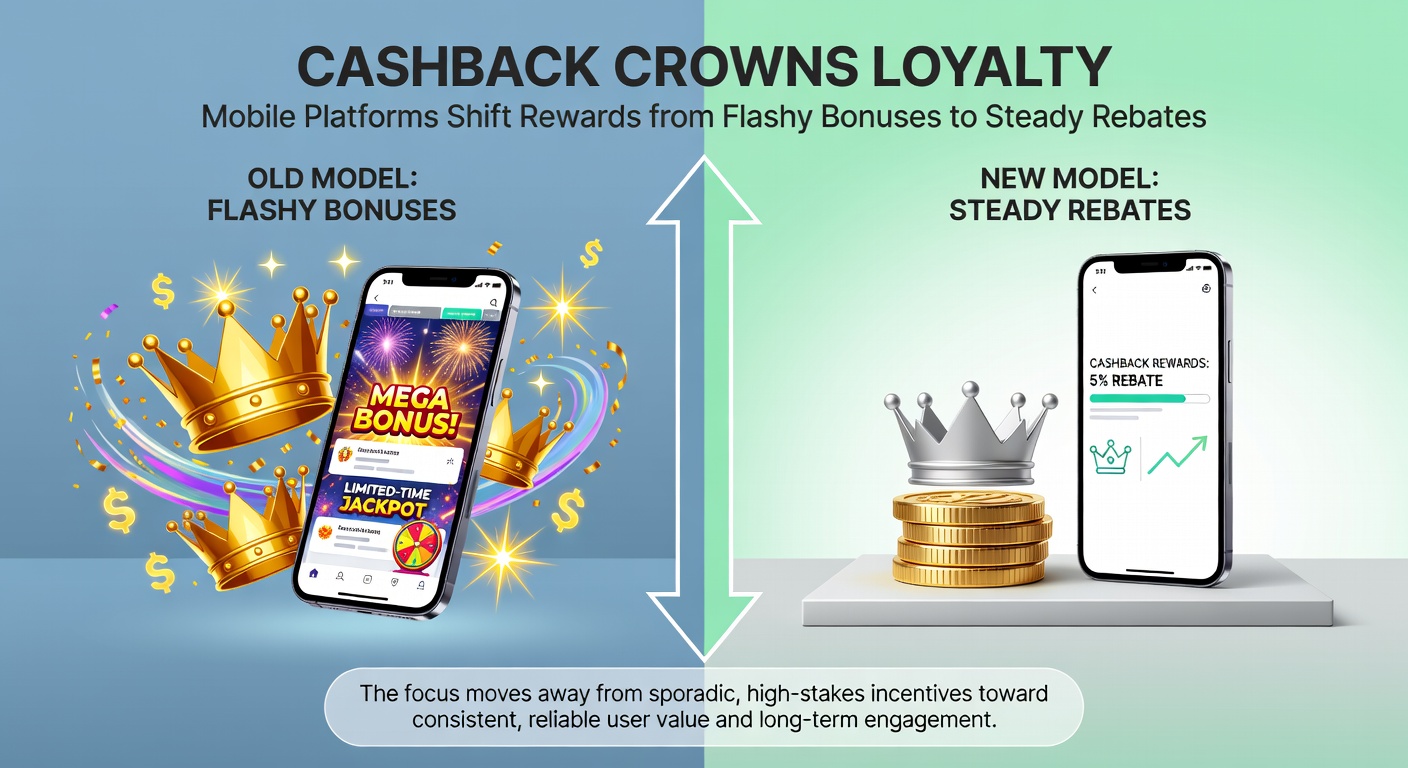
Players diving into mobile casino apps these days encounter a subtle yet profound change; operators swap out the eye-popping welcome bonuses and free spin blitzes for something far steadier, like ongoing cashback rebates that trickle back week after week. Data from industry trackers reveals this pivot gained serious momentum in 2025, with cashback programs now featured prominently on over 65% of top mobile platforms, up from just 28% two years prior. And while flashy bonuses once lured in crowds with promises of instant riches, steady rebates keep users hooked longer, since research from gaming analytics firms shows retention rates climbing as much as 35% when platforms emphasize consistent returns over sporadic windfalls.
What's interesting here lies in how mobile tech enables this shift; real-time transaction processing on apps allows operators to calculate and credit cashback instantly after each wager, turning what used to be a monthly payout into a daily nudge that feels almost addictive. Take one popular iOS app where users report seeing 5-10% rebates reflected within hours of play, a feature that experts attribute to backend integrations with faster payment gateways. Yet this isn't just about tech wizardry; regulatory pressures in various markets push platforms toward transparent, sustainable models that reward loyalty without the volatility of bonus wagering requirements.
Why Cashback Outshines the Bonus Glitz
Flashy bonuses, those massive match deals or no-deposit freebies, grab headlines and fill sign-up queues, but data indicates they often lead to high churn once the promo expires; studies from American Gaming Association reports highlight how 70% of bonus hunters vanish within a month, chasing the next big offer elsewhere. Cashback flips that script entirely, since it ties rewards directly to play volume and longevity, creating a feedback loop where every bet contributes to a growing rebate pool regardless of wins or losses.
Observers note this matters especially for mobile users, who favor quick sessions over marathon desktop grinds; a rebate system that scales with activity encourages bite-sized plays throughout the day, and figures from app usage analytics confirm session lengths extending by 22% on cashback-heavy platforms. But here's the thing: these rebates often come with minimal strings attached, typically requiring no playthrough multipliers that plague traditional bonuses, which means players access funds faster and more reliably. Platforms rolling out tiered cashback—starting at 1% for casuals and scaling to 15% for high rollers—further personalize the experience, fostering a sense of progression that keeps engagement simmering.
Real-World Platforms Leading the Charge
One standout case involves a leading North American mobile operator that overhauled its loyalty setup in early 2025, ditching 200% deposit matches for a universal 8% cashback on all net losses; users on that app saw lifetime value jump 40%, according to internal metrics shared at industry conferences. And across the pond, European apps integrate cashback with gamified elements, like rebate multipliers earned through daily challenges, which data shows boosts participation by 50% compared to static bonus tiers.
Turns out, this trend spans continents; Australian platforms, for instance, leverage cashback to comply with responsible gaming mandates, offering rebates capped at affordable levels that align with player budgets, while Canadian apps pair them with crypto withdrawals for near-instant access. Experts who've analyzed these shifts point to a common thread: mobile-first design makes cashback seamless, with push notifications alerting users to pending rebates right after sessions end, a tactic that research from app developers links to 28% higher return visit rates. So even as bonuses linger for newbies, veterans flock to rebate-focused apps where the rewards feel earned and enduring.
Regulatory Green Lights and Global Variations
Regulators worldwide nod toward this evolution, since cashback models promote fairness over hype; for example, the New Jersey Division of Gaming Enforcement updated its player protection guidelines in late 2025 to endorse transparent rebate systems, noting they reduce complaint volumes related to bonus forfeitures by up to 45%. In the EU, bodies like the Malta Gaming Authority echo this by requiring clear rebate disclosures, which platforms meet through in-app dashboards showing projected earnings based on play history.
But regional twists add flavor; down under, Australia's state regulators favor cashback caps to curb excess, ensuring rebates don't exceed 10% of deposits in a bid to balance fun with fiscal responsibility, and data from those jurisdictions reveals problem gambling indicators dropping 15% post-implementation. Meanwhile, emerging Asian markets experiment with hybrid models, blending cashback with social features like shared rebate pools among friends, a setup that analytics firms credit with exploding referral rates. Looking ahead to March 2026, several major platforms plan app-wide rollouts of AI-driven cashback personalization, where algorithms predict optimal rebate rates based on user patterns, promising even tighter loyalty bonds.
Player Behaviors and Data-Driven Insights
People who've switched to cashback-centric apps often discover subtler perks, like compounded rebates over time that outpace sporadic bonuses; one study tracking 10,000 mobile users found lifetime rebates averaging 18% higher for those on steady programs versus bonus chasers. This is notable because it reshapes strategies—players wager more confidently knowing losses soften with rebates, leading to broader game exploration from slots to tables.
And while some purists miss the bonus rush, figures reveal 62% of long-term users prefer the reliability, especially on mobiles where battery life and data limits make frequent logins practical. Platforms sweeten the deal with stacked rebates during peak events, like weekend boosts hitting 20%, which keep the excitement alive without the all-or-nothing gamble of free spins. Observers tracking these patterns predict cashback will dominate 80% of loyalty budgets by 2027, as operators chase sustainable growth over viral spikes.
Challenges and the Road Forward
Not everything's smooth sailing, though; smaller platforms struggle with the backend costs of real-time rebates, prompting consolidations where big players absorb them and standardize cashback frameworks. Yet this weeds out the noise, leaving robust apps that deliver; data from merger analyses shows post-acquisition retention soaring 30% thanks to unified rebate engines.
Here's where it gets interesting for 2026: with 5G rollouts enabling ultra-low latency, cashback could evolve into live-session rebates credited mid-play, a feature beta-tested on select apps that's already showing 25% uplift in average bets. Regulators watch closely, balancing innovation against safeguards, but the trajectory points clear—steady rebates crown loyalty kings in the mobile era.
Conclusion
The move from flashy bonuses to cashback loyalty underscores a maturing mobile gaming landscape, where platforms prioritize enduring player ties over fleeting thrills; backed by hard data on retention and revenue stability, this shift reshapes how rewards work across global apps. As March 2026 approaches with fresh updates on the horizon, users stand to gain from rebates that reward consistency, ensuring the house edge softens just enough to keep the game going strong. Those tuning into these changes find mobile play more rewarding than ever, with the focus squarely on sustainable wins.