Cross-Platform Loyalty Ecosystems Redefine Retention Patterns in Digital Gaming Networks
Written by Mia Walter · Aug 20, 2026
Cross-Platform Loyalty Ecosystems Redefine Retention Patterns in Digital Gaming Networks
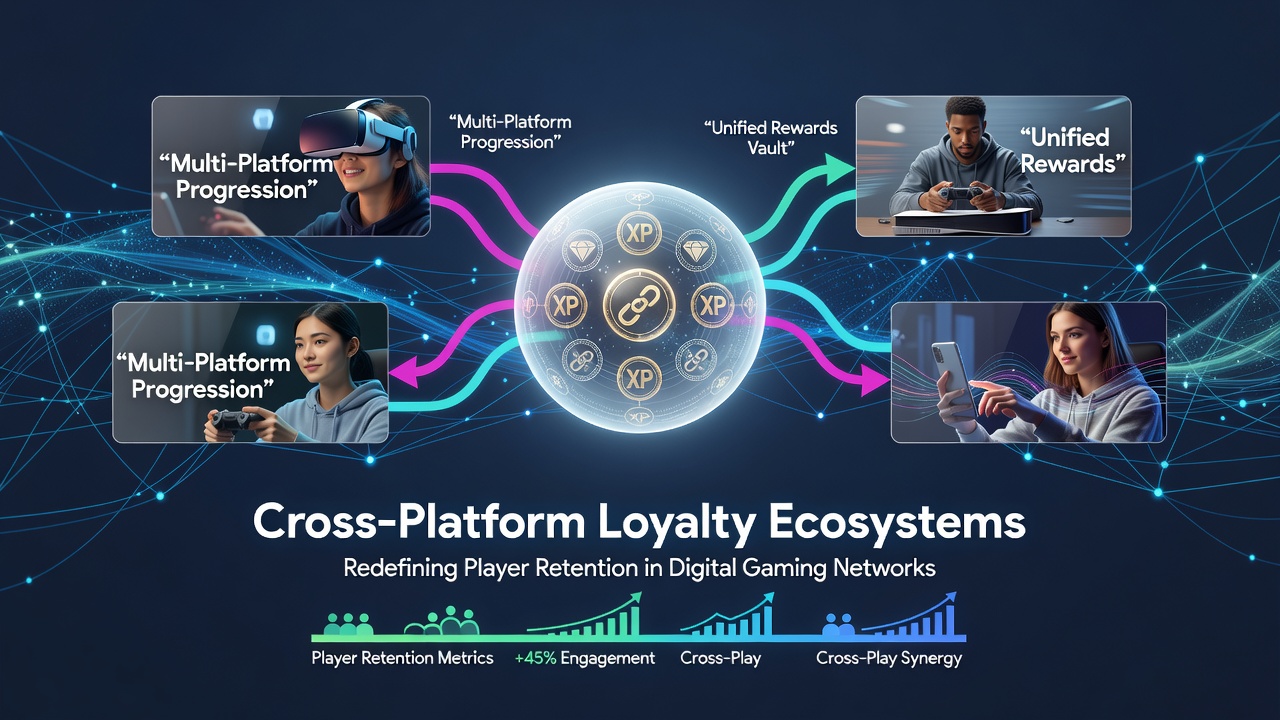
Digital gaming networks now operate through interconnected loyalty systems that allow players to carry rewards, progress and status across multiple platforms and devices, and this shift has altered how retention gets measured in the sector. Data from industry reports indicate that unified ecosystems reduce churn rates by linking achievements on consoles directly to mobile sessions and PC environments without requiring separate accounts for each.
Operators have built these frameworks around shared databases that track playtime, purchases and social interactions across ecosystems, and the result shows up in sustained engagement metrics. Research released by the Entertainment Software Association in 2025 highlighted that titles supporting cross-progression retained active users for an average of 47 percent longer than those confined to single platforms.
Mechanics Behind Unified Reward Structures
Points earned through daily logins on a smartphone title transfer automatically to a console version when the same account signs in, while tiered status levels unlock benefits that apply regardless of device. Developers integrate APIs from major storefronts to synchronize these elements, and players receive notifications that remind them of pending rewards waiting on another platform. This approach creates continuous incentive loops that keep accounts active even during periods of reduced play on any one device.
Figures released in August 2026 by the Interactive Games and Entertainment Association of Australia revealed that networks using shared loyalty layers recorded 32 percent higher monthly active user counts compared with isolated services, and the same data set noted particular strength in regions where mobile and console usage overlap heavily. Observers note that the technical backbone often relies on cloud-based identity systems that handle real-time synchronization without noticeable lag for end users.
Impact on Player Behavior and Platform Switching
Players who accumulate status across ecosystems show lower rates of complete departure from a publisher's catalog, because leaving means abandoning visible progress that spans multiple games. Case examples include major publishers who introduced unified wallets in late 2024 and then documented fewer account deletions during seasonal lulls. Those who've studied retention curves point out that the visibility of cross-platform achievements acts as a soft lock-in mechanism, encouraging users to return rather than start fresh elsewhere.
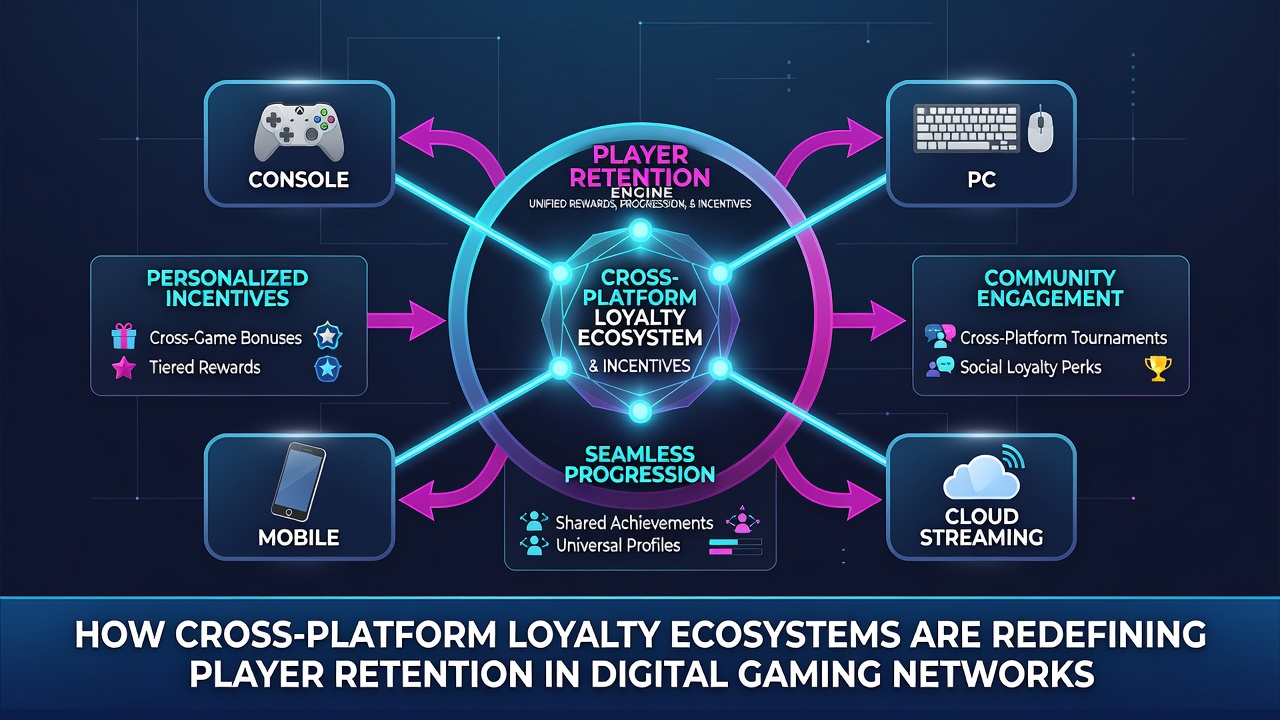
Network effects strengthen when third-party titles join the same ecosystem, because players gain additional avenues to earn and spend loyalty currency. Data indicates that partnerships between mobile developers and console publishers have expanded the total addressable reward pool, and this expansion correlates with longer session lengths across the combined user base. What's interesting is how social features now feed into these systems, with friend referrals generating loyalty bonuses that apply network-wide.
Technical and Regulatory Considerations
Implementation requires careful handling of data privacy rules that differ by region, and companies must maintain compliance while still enabling seamless transfers. Studies from Canadian academic groups have examined how consent mechanisms affect participation rates in loyalty programs, and the findings show that transparent opt-in flows increase adoption without slowing user growth. Security protocols around account linking have also tightened, with multi-factor authentication becoming standard for cross-device redemptions.
Market analysts tracking platform economics report that loyalty ecosystems contribute measurable lifts in average revenue per user when rewards include both cosmetic and functional items. The same reports note that smaller studios sometimes join larger networks to access established player bases rather than building standalone systems from scratch.
Future Trajectories for Retention Strategies
Continued expansion of cloud streaming services adds another layer where loyalty data must travel smoothly between local hardware and remote servers. Publishers have begun testing predictive models that suggest personalized rewards based on cross-platform play patterns, and early results point to further improvements in retention when these suggestions align with actual user preferences. Industry groups continue to publish benchmarks that help developers compare their ecosystem performance against sector averages.
Conclusion
Cross-platform loyalty ecosystems have established themselves as core infrastructure in digital gaming networks, and evidence from multiple regions shows measurable effects on how long players remain active. As synchronization technologies mature and more partners integrate into shared frameworks, retention metrics will likely continue evolving around these unified structures rather than single-platform metrics alone.