Data Analytics Transforming Loyalty Mechanisms in Mobile Wagering Platforms
Written by Taylor Walter · Aug 13, 2026
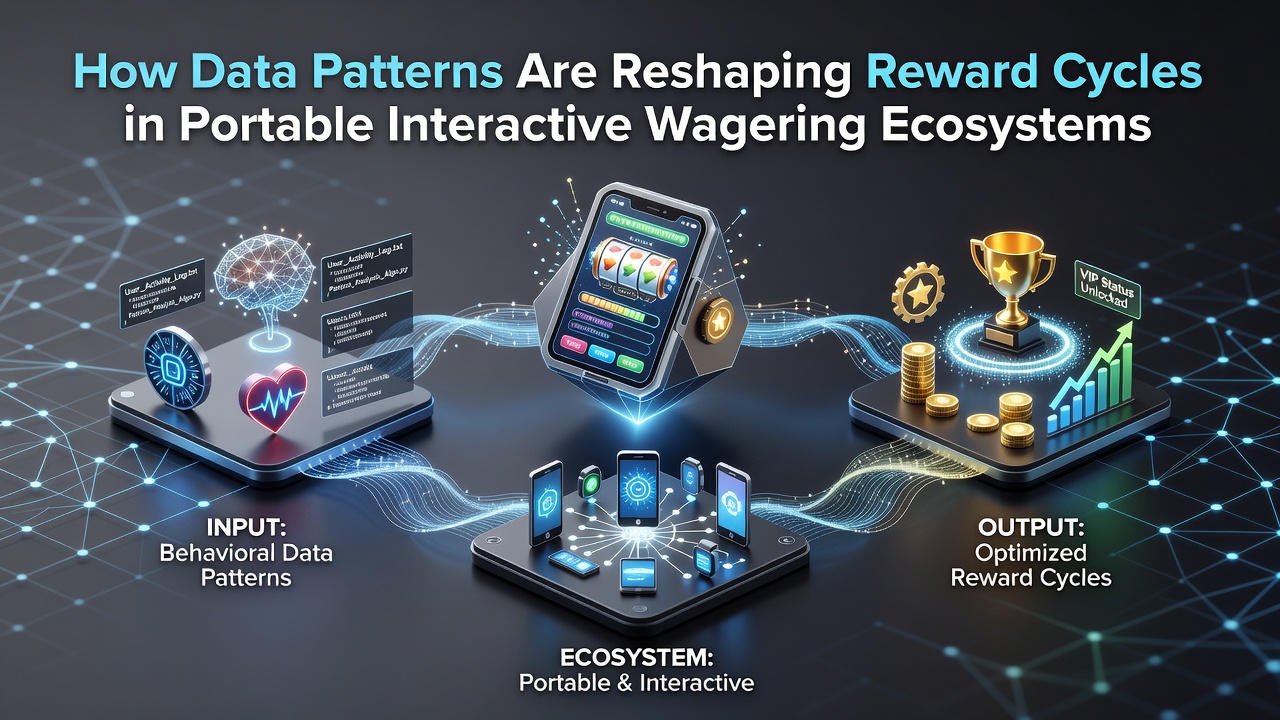
Data Analytics Transforming Loyalty Mechanisms in Mobile Wagering Platforms
Portable interactive wagering ecosystems rely on vast streams of user activity data that feed directly into reward allocation systems, and operators adjust bonus structures, loyalty tiers, and cashback offers based on patterns extracted from play frequency, bet sizing, and session duration. These adjustments occur through algorithms that process real-time inputs rather than static rules, which allows reward cycles to shift weekly or even daily for individual accounts.
Core Mechanisms Driving Pattern Recognition
Behavioral datasets collected from smartphone sessions include metrics such as average wager per spin, time between decisions, and navigation paths through game menus, while machine learning models cluster users into segments that receive tailored incentives. One study released by the University of Nevada's International Gaming Institute in early 2026 showed that operators using these clusters increased repeat engagement rates by 18 percent compared with earlier fixed-reward models. The same report noted that reward timing now aligns with detected lulls in activity, so a player who typically logs in every three days might receive a time-limited offer on day two to prevent a drop-off.
Pattern detection also tracks cross-game movement, meaning a user who migrates from slots to live dealer tables triggers a different reward pathway than someone who stays within one category. This movement data feeds into dynamic pricing for loyalty points, where redemption values adjust according to predicted future spend derived from historical sequences. Operators report that such adjustments reduce the cost of acquiring new players because retention improves through personalized cycles rather than broad campaigns.
Regulatory and Technical Context in August 2026
By August 2026 several jurisdictions outside the United Kingdom had updated their technical standards to require clearer disclosure of how behavioral data influences reward offers. The Australian Communications and Media Authority published revised guidelines that mandate operators to log and retain pattern-based reward calculations for audit purposes, and similar provisions appeared in proposed rules from the Malta Gaming Authority. These requirements focus on transparency rather than restricting the use of data itself, which leaves room for continued refinement of reward algorithms.

Technical infrastructure supporting these systems now incorporates edge computing nodes that process portions of the data on the device before transmission, which reduces latency in reward delivery and keeps session-level patterns private until aggregated summaries reach central servers. Developers have integrated these nodes into both iOS and Android applications, allowing reward offers to appear within seconds of a qualifying pattern being identified.
Impact on Player Reward Cycles
Reward cycles that once followed calendar-based schedules now follow detected behavioral rhythms, so a player who increases bet size after a series of small wins might receive an accelerated loyalty point multiplier within the same session. Data from the Canadian Centre for Gaming Research indicates that such real-time multipliers appear in 62 percent of major mobile platforms as of mid-2026, up from 41 percent two years earlier. The increase correlates with higher average session lengths but does not necessarily translate to higher net losses, because many operators cap the total value of triggered rewards per account.
Another observable shift involves the replacement of generic welcome bonuses with sequenced offers that activate only after specific pattern milestones, such as completing ten sessions of at least fifteen minutes each. These sequenced rewards reduce immediate bonus abuse while increasing the likelihood that a player reaches higher loyalty tiers where margins improve for the operator. Observers note that the approach spreads reward expenditure across longer timeframes rather than concentrating it at the start of a relationship.
Future Trajectories for Pattern-Based Rewards
Industry reports from the European Gaming and Betting Association project that by 2028 more than three-quarters of mobile wagering reward budgets will be allocated through pattern-driven systems rather than fixed promotional calendars. The projection rests on current adoption rates among large operators and the continued refinement of privacy-preserving analytics techniques. Smaller platforms continue to adopt similar tools through white-label providers, which narrows the gap between market leaders and mid-tier competitors.
Research collaborations between universities and platform developers have begun examining how different pattern weights affect long-term player value, with early findings suggesting that time-based patterns carry more predictive power than pure monetary metrics. These studies feed back into model training, creating a feedback loop that further refines reward allocation accuracy.
Conclusion
Data patterns extracted from portable wagering sessions continue to redefine how rewards reach individual accounts, shifting from static schedules to adaptive cycles that respond to observed behavior. Regulatory updates in multiple regions during 2026 have focused on documentation and transparency without halting the underlying technical evolution. The result is a landscape where reward systems operate on shorter time horizons and draw from richer datasets, while external oversight emphasizes auditability rather than prohibition. Continued measurement by academic and industry groups will determine how these cycles stabilize in coming years.