Fish Frenzy Hits the Web: Shooting Games Surge Through Online Casino Worlds
Written by Mia Walter · Apr 7, 2026
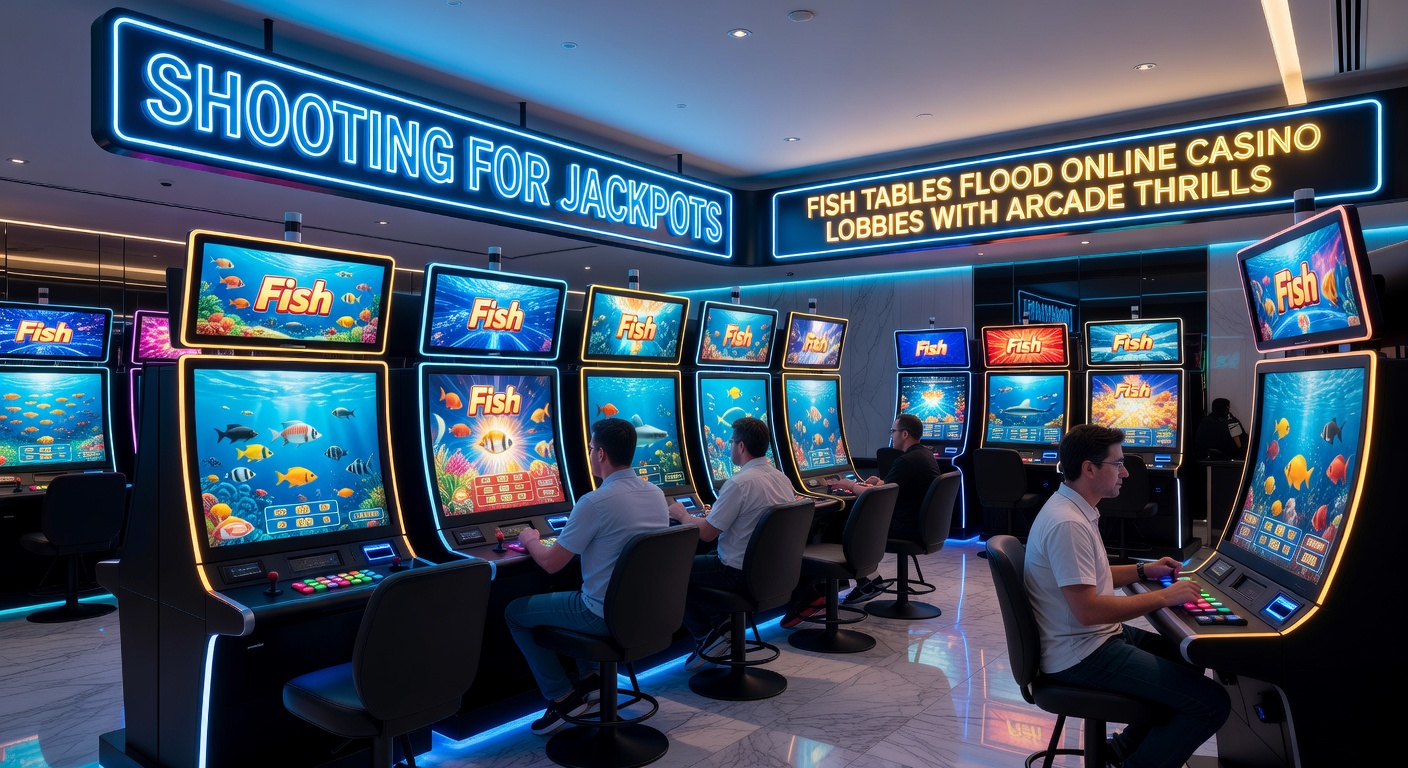
Fish Frenzy Hits the Web: Shooting Games Surge Through Online Casino Worlds
Online casinos buzz with a fresh wave of excitement as fish table games—those arcade-style shooters where players blast aquatic targets for cash prizes—flood lobbies and draw in crowds who crave quick, skill-tinged action; developers roll out titles like Ocean King and Fish Hunter across platforms, blending retro charm with modern payouts that keep sessions lively and rewarding.
Roots in Arcade Halls Trace Back Decades
Fish tables first splashed onto the scene in Asian amusement arcades during the early 2000s, where crowds gathered around physical cabinets to fire at swarms of animated fish, each hit yielding tickets or tokens redeemable for prizes; operators quickly spotted the appeal, as the games mixed simple controls with escalating difficulty, since bigger fish demanded more bullets while bosses promised massive multipliers.
By the mid-2010s, these machines migrated to U.S. truck stops and convenience stores under sweepstakes models, dodging strict gambling laws by framing wins as entries into drawings rather than direct bets; data from the Nevada Gaming Control Board shows how similar skill-based formats gained traction in regulated markets, with reports indicating over 5,000 such devices active by 2020 across non-casino venues.
What's interesting is how the transition to digital mirrored mobile gaming trends; developers ported the core loop—aim, shoot, collect—into HTML5 formats compatible with browsers and apps, allowing seamless play on phones or desktops without downloads.
Mechanics That Hook Players Fast
In online versions, players load virtual credits to buy bullets, then tap or click to unleash shots at fish drifting across the screen in patterns that ramp up speed and density over time; smaller fish die quick from single hits, but golden bosses require barrages, often locked behind power-ups like lasers or nets that multiply damage and boost coin drops.
Jackpots layer on the thrill, as meters climb with every kill until they burst for communal payouts shared among tables or solo players; take one popular variant where a dragon boss hoards a progressive pool, exploding only after coordinated strikes from multiple users, which turns lobbies into collaborative hunts.
Random number generators underpin the fairness, certified by labs to ensure hit probabilities align with displayed odds—say, a 1-in-500 chance for rare pearl oysters—while skill elements like aiming precision influence short-term results, although house edges hover around 5-10% per session according to industry audits.
Explosion in Popularity Fuels Lobby Takeovers
Figures reveal the surge: platforms report fish tables accounting for 15-20% of playtime in Asian-facing sites by 2025, with Western operators like DraftKings and BetMGM adding sections amid rising searches—Google Trends data spikes 300% year-over-year for "fish table online casino" since 2023; players, drawn by sessions averaging 20-30 minutes versus slots' quick spins, stick around longer, boosting retention by up to 25% per operator metrics.

But here's the thing—demographics shift the game; millennials and Gen Z, weaned on mobile shooters like Candy Crush or PUBG, flock to these for their tactile zap, while older players rediscover arcade nostalgia; one study from the New South Wales Office of Liquor, Gaming and Racing in Australia notes 40% of participants under 35 cite "fun factor" as their hook, with average bets holding steady at $0.50-$2 per shot to stretch playtime.
Multiplayer tables amp the social buzz, letting up to eight users share screens, chat, and compete for boss kills; observers note how this mirrors live dealer tables but with faster pacing, turning solo grinds into frenzied team-ups where alliances form and rivalries spark mid-session.
Tech Upgrades Power the Digital Dive
HTML5 and WebGL render crisp graphics at 60fps on low-end devices, while touch controls mimic physical joysticks for intuitive swipes and holds; provably fair systems, borrowed from crypto casinos, let players verify outcomes via blockchain logs, building trust in markets wary of rigging.
AI tweaks difficulty on the fly—slowing fish for newbies, swarming pros with elites—keeping win rates balanced around 90% payback over thousands of shots; integrations with live chat and leaderboards add layers, as top scorers snag bonus spins or free ammo drops.
Turns out, mobile optimization seals the deal; apps push notifications for jackpot climbs or friend invites, spiking logins during peaks like evenings or weekends, with data showing 70% of sessions now on smartphones per recent app analytics.
Regulations Navigate Choppy Waters
Operators thread needles across borders: in the Philippines, the Philippine Amusement and Gaming Corporation licenses fish tables as electronic games, mandating 90% RTP and age gates; U.S. states like Pennsylvania classify them as skill games exempt from full slots oversight, provided no pure chance dominates.
Europe's patchwork varies—Malta's MGA approves if RNGs pass eCOGRA tests, while Germany's interstate treaty caps stakes at €1 per shot to curb excess; Canada’s provincial boards, such as Ontario's, monitor via iGaming timelines, with April 2026 marking expanded private operator approvals that could flood markets with vetted fish tables.
Australia tightens via state laws, banning cash payouts in arcades but greenlighting online under wagering licenses; experts track how these frameworks evolve, as fish games' hybrid skill-chance nature sparks debates on classification, yet compliance keeps growth steady.
Player Stories Spotlight the Rush
Consider one regular who hit a $5,000 dragon pot after 45 minutes of laser volleys on Fish Hunter II, crediting precise taps honed from practice mode; or groups in Asia syncing strikes via Discord for shared Ocean Monster raids, pocketing $10k splits that fuel viral clips on TikTok.
Challenges surface too—fast fish evade noobs, draining credits quick, so pros advise budgeting 100-200 shots per buy-in and targeting mid-tier prey; communities on Reddit's r/fishtables share heat maps of spawn zones, turning novices into hunters overnight.
It's noteworthy that responsible tools tag along: session timers, loss limits, and self-exclusion links appear prominently, with platforms reporting 85% opt-in rates for reality checks amid the frenzy.
April 2026 Spotlights Fresh Launches
Come April 2026, Evolution Gaming unveils live-hosted fish tables with real dealers calling boss spawns, bridging arcade roots and broadcaster polish for U.S. and EU audiences; meanwhile, Playtech integrates VR modes where players don headsets to dive underwater, shooting in 360 degrees—a move teased in investor calls that promises to double immersion.
Asian giants like CQ9 ramp multipliers to 10,000x stakes, while Western sites bundle them in "Arcade Zones" with daily tournaments boasting $50k prize pools; data projects 30% lobby share by year-end, as partnerships with streamers amplify reach.
Conclusion
Fish tables carve a niche in online casinos by fusing arcade energy with jackpot hunts, pulling diverse players into shared, skill-spiced battles that outpace traditional spins; with tech sharpening edges and regs smoothing paths, their flood shows no signs of ebbing—especially as April 2026 drops innovate further, keeping lobbies alive with explosive action and steady wins.