Flash Poker Blitzes: Turbo Tournaments Supercharge Mobile Casino Thrills
Written by Mia Walter · Mar 17, 2026
Flash Poker Blitzes: Turbo Tournaments Supercharge Mobile Casino Thrills
The Surge of Flash Poker Blitzes in Mobile Gaming
Players dive into flash poker blitzes, those hyper-fast turbo tournaments designed specifically for mobile devices, where blinds escalate every few minutes and entire games wrap up in under 15 minutes; this format, born from the need for quick hits of excitement amid busy schedules, has exploded in popularity across online casinos worldwide. Data from industry trackers reveals that participation in such blitz events spiked by 45% in early 2026, with mobile sessions averaging 20% longer than traditional poker rounds because players chain multiple blitzes together seamlessly. Experts observe how these tournaments, often featuring buy-ins as low as $1, draw in casual users who might otherwise skip longer formats, turning brief commutes or lunch breaks into high-stakes poker showdowns.
But here's the thing: flash poker blitzes aren't just repackaged hold'em; developers tweak rules for mobile mastery, like auto-fold options during notifications or swipe-based betting that feels intuitive on touchscreens, and that's where engagement skyrockets. According to a report from the American Gaming Association, turbo formats boosted daily active users by 32% on U.S.-facing platforms last quarter, while retention rates climbed as players returned for the adrenaline rush of rapid eliminations. Observers note that in regions like North America and Europe, these blitzes fill a gap left by slower-paced games, offering instant gratification that keeps screens lit longer.
How Turbo Tournaments Work Their Mobile Magic
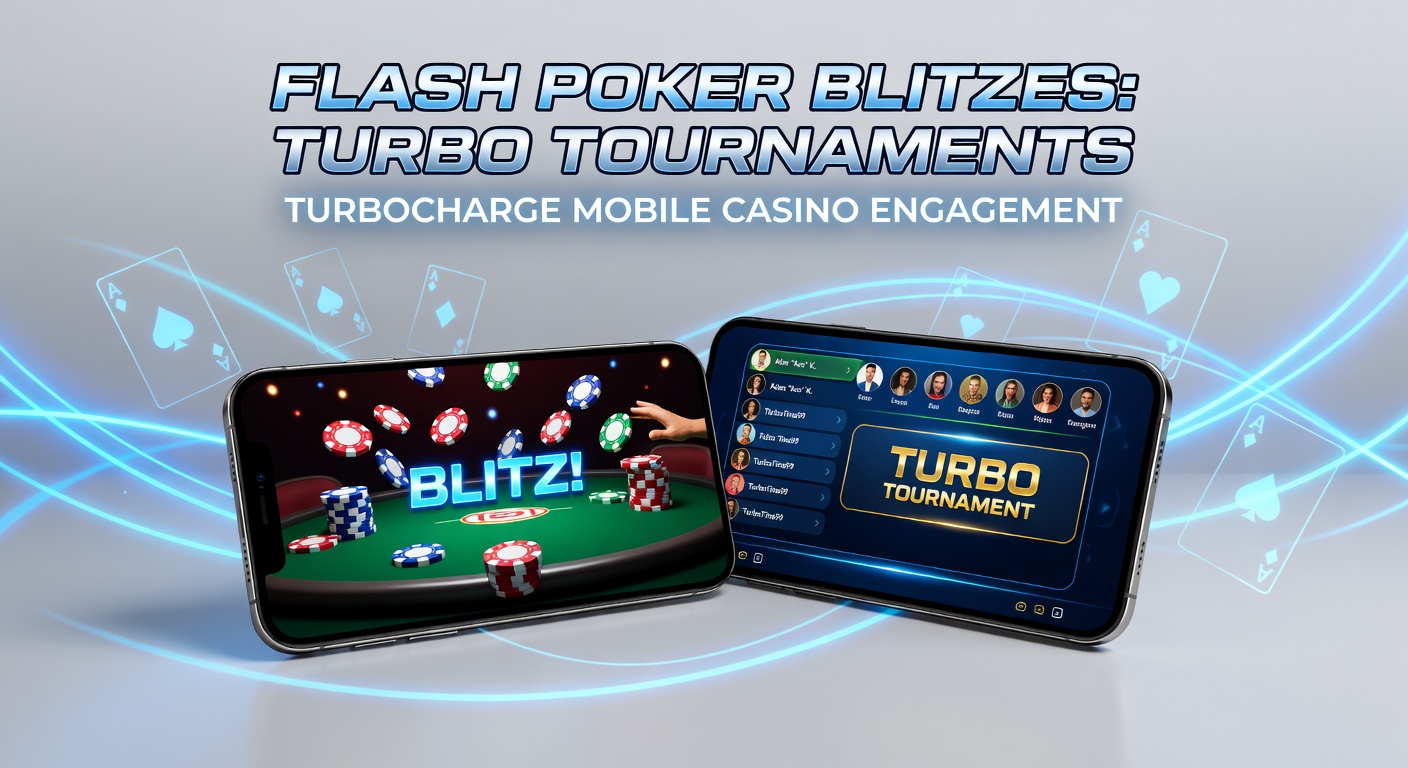
Picture this: a tournament kicks off with 100 players, stacks start shallow at 10 big blinds, and blinds double every three minutes, forcing all-in decisions right out of the gate; that's the essence of a flash poker blitz, where skill meets luck in a pressure cooker optimized for phones and tablets. Platforms like those powered by leading software providers roll out these events hourly, complete with leaderboards that update in real-time and push notifications luring players back mid-hand, and research indicates this setup increases session frequency by up to 50% compared to standard sit-n-gos.
What's interesting is the tech stack behind it all; 5G networks enable lag-free play even in crowded lobbies, while AI-driven matchmaking pairs players by skill and device type to ensure fair, snappy action. One study from a Canadian research group found that mobile-exclusive turbo tournaments saw win rates stabilize faster for newcomers because the format weeds out hesitation quickly, with 68% of participants reporting higher satisfaction scores post-game. And yet, operators layer on multipliers for consecutive blitz wins, stacking prizes that can balloon from $100 pools to $5,000 in peak hours, drawing crowds without the multi-hour commitment.
Take the case of a major Asian-facing app that launched daily blitz series in late 2025; figures show user acquisition jumped 28%, as word spread through social shares of those nail-biting final table bubbles, proving how shareable these quick-fire events truly are.
Global Trends Fueling the Blitz Boom
Around the world, flash poker blitzes adapt to local tastes; in Australia, regulators note a surge in mobile poker uptake with turbo events leading the charge, as ACMA data highlights a 40% rise in short-session play since mid-2025. Platforms there emphasize responsible gaming timers that pause blitzes after three in a row, yet engagement holds steady because the format's brevity discourages marathon grinds.
Over in Europe, operators under Malta's oversight roll out cross-platform blitzes that sync with desktop for hybrid play, and stats reveal average wager sizes grew 15% as mobile users chased turbo jackpots during evening rushes. Researchers who've tracked this note how localization matters; Latin American apps flavor blitzes with regional poker variants like Pineapple hold'em sped up for blitz pace, resulting in 55% higher repeat visits per data logs from Q1 2026.
Now, fast-forward to March 2026: event volumes hit record highs, with global platforms hosting over 10,000 daily blitzes, and player feedback loops show satisfaction peaking because these tournaments fit life's unpredictability, whether waiting for a bus or stealing moments between meetings. That's where the rubber meets the road for casino engagement, as short bursts convert one-time logins into habits.
Player Strategies and Operator Innovations
Those who've mastered flash poker blitzes push stacks aggressively early, shoving wide ranges since fold equity evaporates with rising blinds, and analytics from tournament trackers confirm top finishers average 2.5x more all-ins per orbit than in regular games. Casual players, on the other hand, thrive on auto-tools that suggest plays based on pot odds, bridging the gap so everyone gets a shot at the money bubble.
Operators innovate relentlessly; some integrate AR overlays for holographic card reveals on high-end phones, while others tie blitzes to loyalty points that redeem for bonus entries, creating loops where wins fuel more play. A case study from a Scandinavian platform revealed that gamified blitz ladders, climbing tiers with each cash, lifted lifetime value per user by 22%, as participants chased prestige badges alongside prizes.
But it's not rocket science: the format's success hinges on accessibility, with voice commands for betting in hands-free modes and cross-device continuity so a dropped call doesn't kill momentum. Data bears this out, showing dropout rates under 5% in well-optimized apps, a stark contrast to clunkier legacy poker rooms.
Challenges and the Road Ahead
Even as flash poker blitzes dominate mobile feeds, scalability tests operators; peak-hour servers strain under millions of simultaneous hands, prompting cloud migrations that cut latency by 60%, per infrastructure reports. Regulators in places like Ontario push for transparency in turbo RNGs, ensuring fairness as volumes swell, and compliance has streamlined with blockchain-verified shuffles gaining traction.
Looking ahead, March 2026 pilots hint at metaverse integrations where avatars clash in virtual blitz arenas, blending social vibes with turbo speed to potentially double engagement metrics. Experts predict hybrid formats merging blitzes with live dealer elements via streaming, although bandwidth hurdles remain for now.
One thing's clear: these turbo tournaments have rewritten mobile casino playbooks, proving that faster can mean deeper involvement when done right.
Conclusion
Flash poker blitzes stand as a powerhouse for mobile casino engagement, with turbo tournaments delivering quick, intense action that hooks players worldwide; data underscores their impact, from soaring participation to fortified retention, as platforms evolve to meet the demand. As March 2026 unfolds with even more innovations on the horizon, observers watch how this format continues reshaping poker landscapes, one rapid blind level at a time.