Global Data Exchange Standards Reshape Compliance Across International Sports Betting Operations
Written by Ulrich Hughes · Aug 25, 2026
Global Data Exchange Standards Reshape Compliance Across International Sports Betting Operations
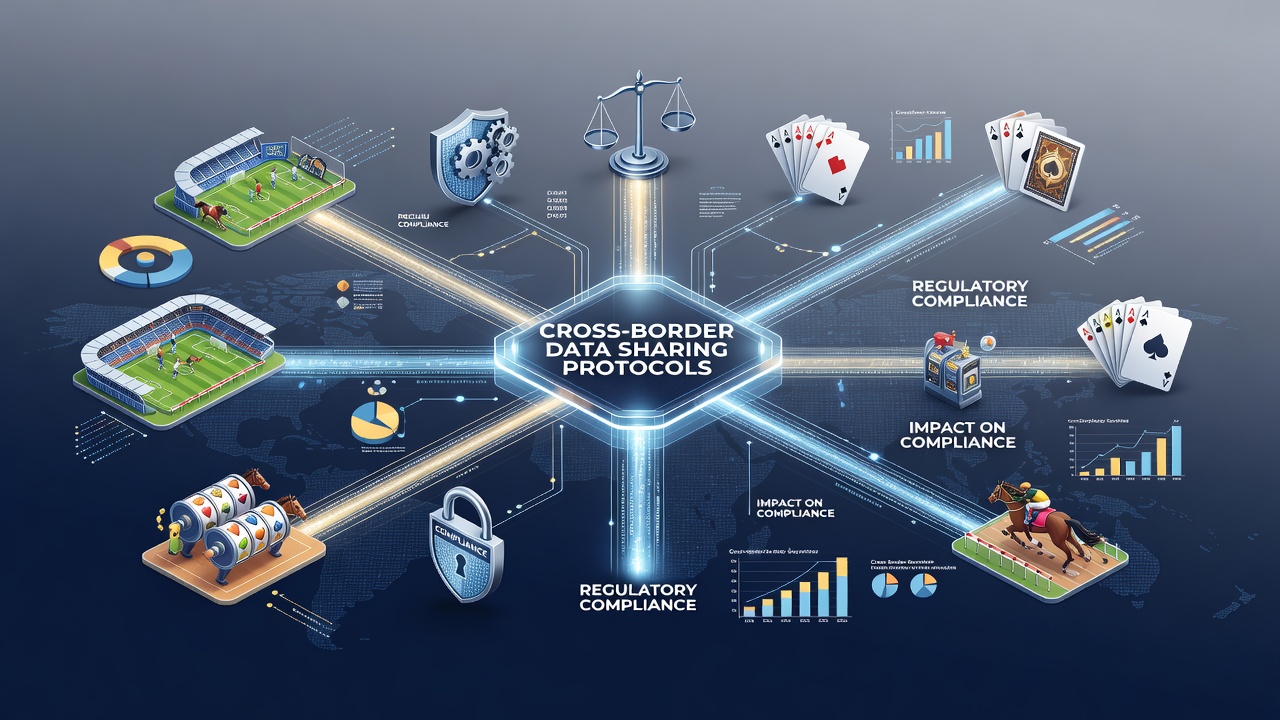
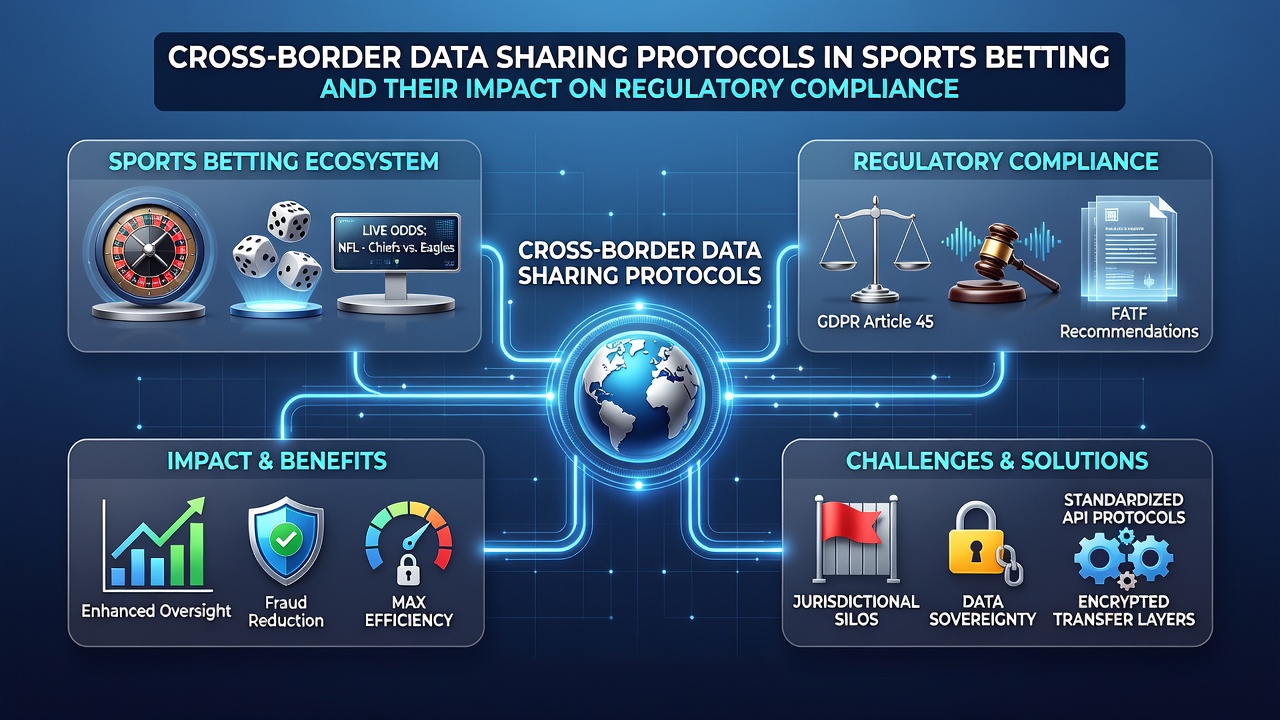
Cross-border data sharing protocols have become central to how operators manage player information while meeting rules in multiple jurisdictions at once, and regulators now track these flows more closely than ever before. These systems rely on standardized formats that allow betting companies to transmit verification details, transaction records, and risk assessments between countries without violating local privacy laws, while the process gained fresh attention in August 2026 when several North American and European authorities aligned their reporting templates for the first time.
Data indicates that sportsbooks operating across borders must now synchronize identity checks and betting patterns through encrypted channels that satisfy both the sending and receiving regulators. This synchronization reduces duplication of compliance work yet demands precise technical setups that many smaller platforms still struggle to maintain.
Core Elements of Current Sharing Frameworks
Protocols typically include real-time APIs for age and identity verification plus batch transfers of suspicious activity reports that regulators review on set schedules. Observers note that formats such as the Common Regulatory Data Standard, developed through industry and government collaboration, let platforms send the same dataset to authorities in Canada, Australia, and parts of the European Economic Area without reformatting each time. Those who've studied adoption rates report that platforms using these shared templates cut their compliance processing time by roughly thirty percent compared with earlier manual submissions.
Security requirements form another key layer because any breach during transfer can trigger fines under multiple data protection regimes simultaneously. Researchers discovered that encryption standards mandated since 2024 have lowered reported incidents, though the added computational cost remains a factor for high-volume operators.
Regulatory Compliance Effects in Practice
Compliance teams now allocate more resources to mapping data routes than they did five years ago because each jurisdiction maintains slightly different retention periods and consent rules. One study revealed that operators serving markets in both the United States and the Asia-Pacific region spend an average of fourteen additional hours per week reconciling audit logs to satisfy overlapping demands. The reality is that failure to align these logs can delay license renewals or block market entry altogether.
Take one major betting group that expanded into three new countries during 2025 and 2026; its compliance dashboard automatically flags when a player record needs updating in two separate systems at once, and internal reports show this automation prevented several potential violations before they reached regulators. What's significant is how these automated flags also generate the exact documentation needed for cross-border audits without extra manual compilation.
Regional Variations and Coordination Efforts
Different regions approach the same protocols with distinct priorities that reflect their legal traditions. Australian authorities emphasize consumer protection metrics such as deposit limits and self-exclusion lists, whereas certain U.S. state regulators focus more heavily on tax reporting accuracy and source-of-funds verification. Data from the Australian Gambling Research Centre shows that shared exclusion lists have reduced repeat violations by players who move between licensed operators in different states. Meanwhile, Canadian provincial bodies have begun testing joint data exchanges that allow a single responsible gambling flag to travel with a player account across provincial lines.
Coordination meetings held in mid-2026 highlighted the need for clearer definitions around what constitutes a "suspicious pattern" when bets occur on events spanning multiple time zones. Experts have observed that without harmonized definitions, operators risk submitting incomplete reports that later require costly follow-up.
Technical and Operational Challenges
Legacy systems at some established operators still lack the API endpoints required for seamless protocol compliance, forcing those companies to build parallel reporting tools that increase both expense and error risk. Smaller entrants often partner with specialized compliance vendors rather than develop in-house solutions, and market data indicates this outsourcing trend accelerated through the first half of 2026. Yet even with vendor support, each new market entry requires fresh certification that the shared data meets local encryption and storage rules.
Training staff to interpret protocol outputs also consumes resources because analysts must understand both the technical language of data fields and the regulatory context behind each flag. Those who've implemented ongoing education programs report fewer misclassifications during audits compared with firms that treat training as a one-time event.
Conclusion
Cross-border data sharing protocols continue to evolve as more jurisdictions adopt compatible standards, and the resulting compliance landscape rewards operators who invest early in flexible technical infrastructure. Evidence suggests that platforms maintaining clean, auditable data flows across borders encounter fewer licensing delays and lower administrative overhead than those relying on fragmented manual processes. As additional regions align their reporting requirements through 2026 and beyond, the ability to exchange verified player and transaction information efficiently stands to determine which operators sustain growth in an increasingly interconnected regulatory environment.