Immersive Interfaces Redefine Poker: Virtual Tables Meet Handheld Tournament Dynamics
Written by Ulrich Hughes · Aug 27, 2026
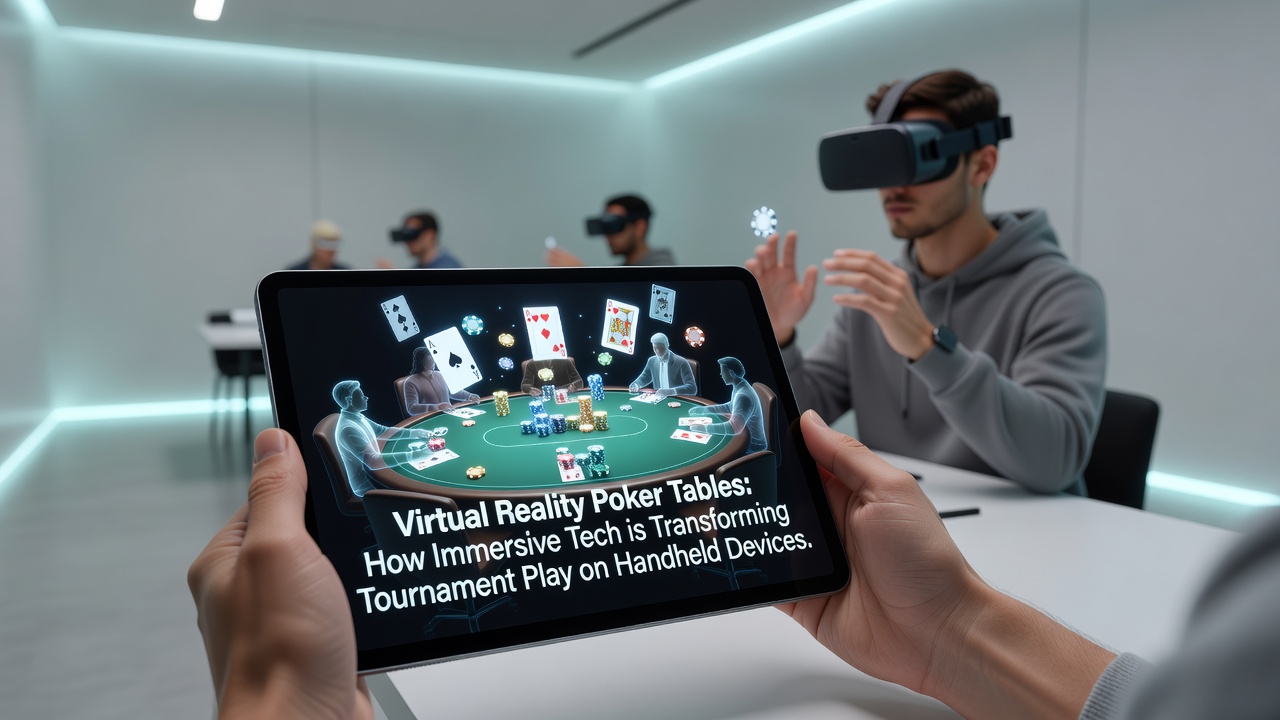
Immersive Interfaces Redefine Poker: Virtual Tables Meet Handheld Tournament Dynamics
Virtual reality poker tables have moved beyond early prototypes into practical applications that integrate with handheld devices, and data from industry reports shows measurable shifts in how players engage with tournament formats. Developers have adapted VR environments so they stream or sync with mobile hardware through cloud processing and lightweight rendering techniques, which allows participants to join multi-table events without dedicated headsets in every case. Figures released in mid-2026 indicate rising adoption rates among operators who support cross-platform access, particularly for formats that combine live dealer feeds with virtual table overlays.
Technical Foundations Behind Handheld VR Integration
Hardware manufacturers have refined mobile processors and graphics capabilities since 2024, which enables smoother handling of 3D poker environments on smartphones and tablets. Software frameworks now support positional tracking via device cameras and sensors, while compression algorithms reduce latency during live sessions. Observers note that these advances let players view opponents' avatars and chip movements in spatial layouts that mimic physical tables, yet remain accessible through standard app stores.
Network infrastructure plays a central role as well. 5G rollout across multiple regions has lowered ping times for real-time interactions, and studies from research institutions such as those affiliated with the University of Nevada highlight how reduced delay improves decision-making speed in competitive play. Tournament software incorporates these connections to maintain consistent game states across mixed VR and traditional mobile users.
Tournament Structure Adjustments in Immersive Formats
Event organizers have introduced rules that account for the new interfaces, including standardized avatar controls and gesture-based betting inputs. Data compiled by the American Gaming Association reveals that hybrid tournaments, where some entrants use VR headsets while others participate via handheld screens, now represent a growing segment of scheduled events. Blinds and payout structures remain consistent with traditional formats, although interface-specific timeouts have been added to accommodate varying input methods.
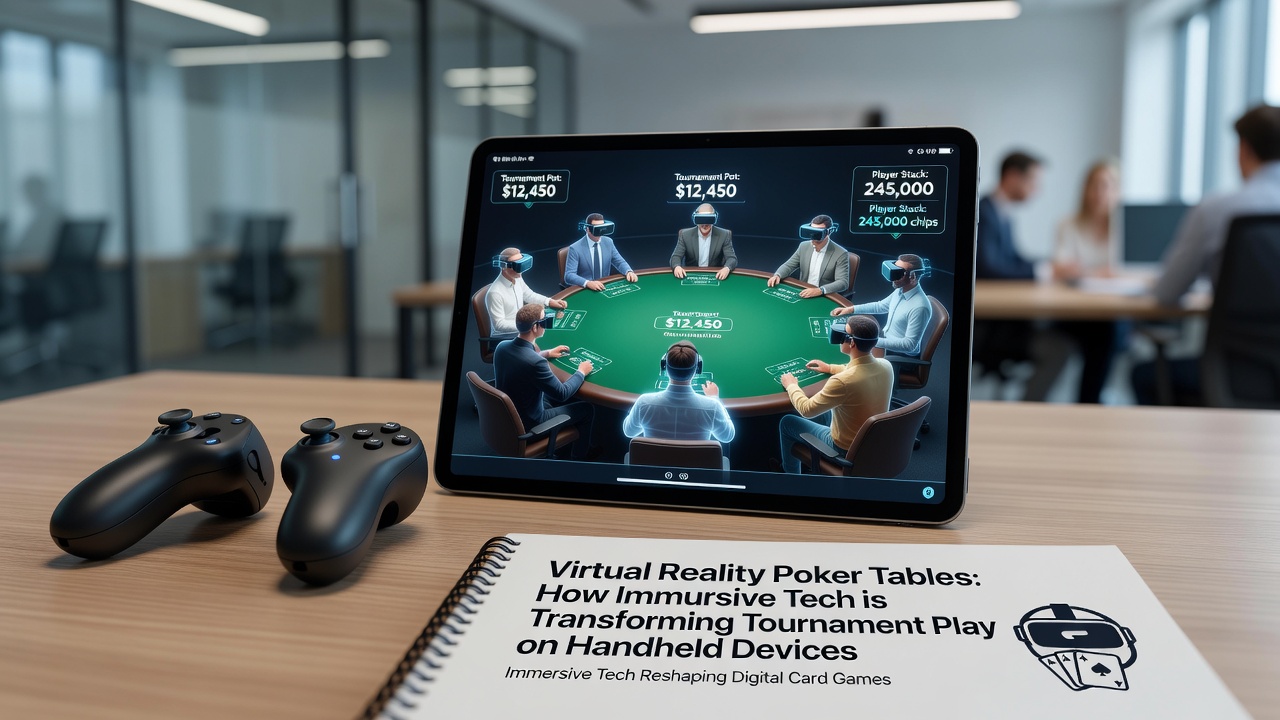
August 2026 saw several operators expand their schedules to include dedicated VR-supported series that run parallel to conventional mobile events. Registration data indicates higher retention during longer sessions when spatial audio and table positioning features are active. These adjustments help preserve competitive balance while introducing visual depth that flat-screen displays cannot replicate.
Player Experience Metrics and Accessibility Factors
Analytics platforms tracking session lengths report that participants using immersive elements on handheld devices often complete more hands per hour once initial setup is complete. Accessibility options such as simplified controls and voice commands have broadened participation among users who prefer not to wear full headgear. Industry organizations tracking global iGaming trends document steady growth in regions outside traditional markets, driven by improved device compatibility.
Security protocols have evolved alongside these features. Biometric verification tied to device hardware combines with session encryption to protect account integrity during extended play. Regulatory frameworks in places like the Nevada Gaming Control Board emphasize compliance testing for cross-device fairness, ensuring virtual table mechanics match physical standards.
Future Development Pathways
Continued investment in edge computing promises further reductions in processing demands on handheld units, which could expand the range of supported devices. Partnerships between software studios and hardware firms focus on refining haptic feedback for chip handling and card interactions. Evidence from pilot programs suggests these refinements increase engagement without altering core poker mechanics.
Market reports project incremental integration rather than wholesale replacement of existing mobile platforms. Operators continue testing mixed-reality options that blend camera feeds of physical surroundings with virtual table elements, creating hybrid experiences suited to portable use.
Conclusion
Virtual reality adaptations for handheld poker tournaments continue to develop through measured technical and regulatory steps. Available data points to expanded access and structural refinements that maintain competitive integrity across device types. As infrastructure and software mature, tournament play on mobile hardware incorporates spatial elements previously limited to dedicated setups, reflecting broader shifts in how immersive technology intersects with portable gaming formats.