Merkur Slots' 24/7 Bid for Spalding Venue Hits Roadblock as Planning Inspectorate Prioritizes Resident Peace
Written by Cameron Neumann · Apr 14, 2026

Merkur Slots' 24/7 Bid for Spalding Venue Hits Roadblock as Planning Inspectorate Prioritizes Resident Peace
The Decision That Echoes Through Spalding Streets
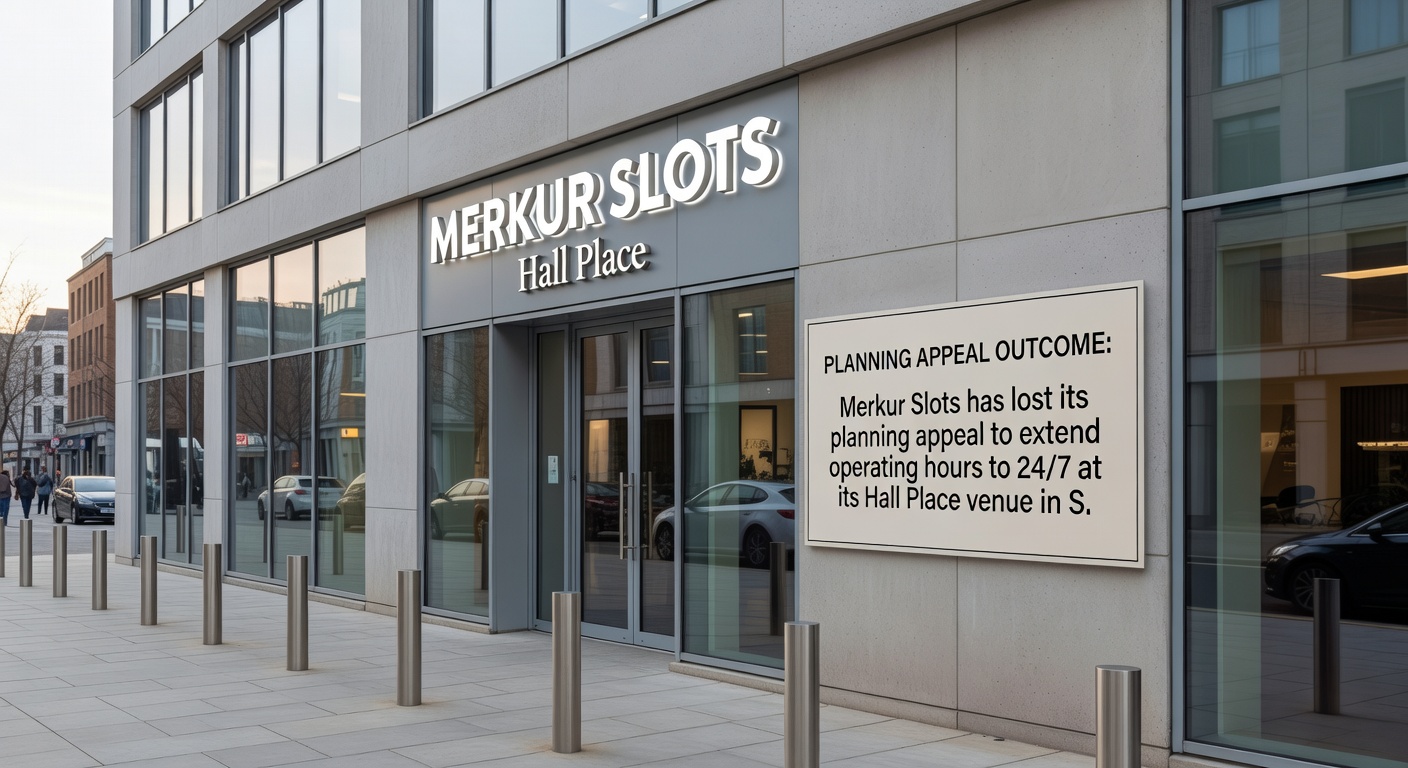
On 12 March 2026, the Planning Inspectorate delivered a clear verdict, dismissing Merkur Slots' appeal to transform its Hall Place venue in Spalding, Lincolnshire, into a round-the-clock operation; noise and disturbance risks to nearby residents outweighed the proposed economic upsides, which experts deemed limited at best. This ruling, fresh as April 2026 unfolds with local discussions still buzzing, underscores tensions between entertainment expansions and community living conditions, especially in a town where quiet nights matter. Merkur Slots, known for its adult gaming centres across the UK, sought to extend hours from the current setup – typically wrapping up well before midnight – to full 24/7 access, arguing job creation and boosted local spending would follow; yet the inspectorate saw through that, highlighting how late-night crowds could disrupt sleep patterns and daily routines for those living cheek by jowl with the venue.
Hall Place sits right in Spalding's heart, a spot where residential homes line the immediate vicinity, making any hour extension a powder keg for complaints; previous council rejections paved the way for this appeal, but the inspectorate's 20-page decision letter laid it out plainly, balancing public benefits against harms with data on footfall patterns and noise propagation models. Residents had voiced fears during hearings – everything from revving engines at 3am to rowdy groups spilling onto streets – and those concerns carried the day, since evidence from similar venues elsewhere showed spikes in disturbances post-midnight.
Unpacking the Appeal Process and Key Arguments
Merkur Slots first approached South Holland District Council, pitching the 24/7 shift as a modest tweak to an established business; council planners pushed back, citing South Holland's core strategy that safeguards residential amenity, and denied permission in late 2025. Undeterred, Merkur escalated to the Planning Inspectorate, a government body handling such disputes impartially; hearings unfolded in early 2026, where operators presented economic forecasts – around 10 new part-time roles and increased turnover feeding local suppliers – but the inspector zeroed in on living conditions policy from the National Planning Policy Framework, which demands proposals protect neighbours' rights to enjoy their homes undisturbed.
What's interesting here lies in the inspector's breakdown: while acknowledging Merkur's contributions to Spalding's high street vitality, the report noted economic gains as "limited" because the venue already operates extended hours, drawing steady custom without needing nonstop access; noise assessments, drawing from acoustic studies, projected levels breaching World Health Organization night-time guidelines (below 45 decibels outdoors), potentially harming sleep quality for dozens of households. And that seals it – the appeal fell flat, leaving Merkur bound to current restrictions even as April brings warmer evenings and more foot traffic tests.
Take the venue itself: Merkur Slots at Hall Place, a fixture since opening years back, features slots, bingo, and electronic roulettes tailored for quick-play sessions; operators positioned 24/7 as aligning with modern leisure shifts, where night owls seek outlets post-pubs or shifts, yet data from Planning Inspectorate archives on comparable cases – like denied extensions in market towns – reveals patterns where resident pushback prevails when proximity is tight.
Gambling with Lives Steps into the Spotlight
Charles and Liz Ritchie, founders of the charity Gambling with Lives, called the dismissal a "small victory," tying it directly to their mission after losing their son to suicide in 2017, linked to severe gambling addiction; their group, which supports affected families while pushing policy reforms, intervened in the appeal, submitting evidence on how 24/7 access heightens vulnerability for those prone to compulsive play. The Ritchies' story resonates deeply – their son, a young man ensnared by fixed-odds betting terminals (FOBTs) similar to those at Merkur venues, spiralled despite interventions, prompting the charity's birth and campaigns for stricter venue rules.
Observers note Gambling with Lives' growing influence; they've lobbied councils nationwide, citing stats from their research arm – over 500 UK suicides tied to gambling since 2017 – and this Spalding case fits their narrative, where extended hours could lure problem gamblers during vulnerable late-night windows. The charity's input weighed on the inspector, who referenced broader public health angles, although the core ruling hinged on noise over addiction risks per se; still, it amplifies voices like the Ritchies', who've turned personal tragedy into advocacy, collaborating with forums like the National Council for Problem Gambling (drawing international insights from US counterparts) to spotlight venue impacts.
But here's the thing: while Merkur emphasized responsible gambling measures – staff training, self-exclusion ties, and ID checks – the Ritchies argued 24/7 erodes safeguards, as fatigue blunts oversight; their "victory" quote, splashed across local coverage in March, sparked April debates in Spalding pubs and online groups, with some hailing it as protecting the town's fabric, others grumbling over lost revenue.
Balancing Economics, Community, and Night-Time Economy
Merkur Slots leaned hard on economic perks during the appeal, projecting £200,000 extra annual spend circulating through Spalding shops and cafes; yet the inspectorate countered with town data showing high streets thriving sans 24/7 gaming, plus risks of anti-social behaviour drawing police resources – a drain on budgets already stretched. South Holland's economy mixes agriculture, logistics, and tourism, where venues like this add colour but can't override residential priorities; similar bids elsewhere, such as in Boston or Grantham, faced parallel fates, per local planning logs.
Residents' groups mobilised early, gathering 150+ objections detailing past nuisances – doors slamming at 2am, litter trails, shouting matches – backed by environmental health logs; this grassroots effort, coupled with council policy aligning to national frameworks, tipped scales. And now, as April 2026 warms up, Merkur faces choices: appeal further (unlikely, given costs), tweak operations, or pivot to digital arms; the reality is, physical venues navigate tightening scrutiny, where community amenity trumps marginal gains every time.
It's noteworthy how this plays out against UK high street trends; adult gaming centres fill vacant units, sustaining footfall where shops shutter, but extensions stir backlash when homes encroach – a dynamic Spalding embodies perfectly, with its Fenland layout blending commerce and cosy living.
Broader Ripples and What Comes Next
The inspectorate's call sets precedent for Lincolnshire and beyond; councils now cite it in refusals, bolstering arguments against late-night creep in residential zones. Gambling with Lives eyes more interventions, fresh off this win, while Merkur – part of Germany's Gauselmann Group with 400+ UK sites – recalibrates strategies amid evolving regs. Residents breathe easier come April nights, patios out without bass thumps nearby; operators, meanwhile, scout less contentious expansions.
Case studies like this reveal fault lines: a 2024 Australian Institute of Health and Welfare report on gambling venue density echoes UK concerns, linking proximity to harm spikes; though worlds apart, parallels hold, as Spalding's saga shows resident voices amplified by data can halt momentum.
Conclusion
In the end, Merkur Slots' Spalding setback – etched on 12 March 2026 – crystallises priorities: protecting living conditions edges out limited boons, a stance residents and advocates like the Ritchies champion as vital. As April progresses, the venue hums on under old hours, community watches closely, and the planning landscape sharpens; this "small victory" lingers, a reminder that local harmony often calls the shots over grander visions.