Predictive Modeling Transforms Bonus Personalization in Virtual Casino Environments
Written by Taylor Krüger · Jul 26, 2026
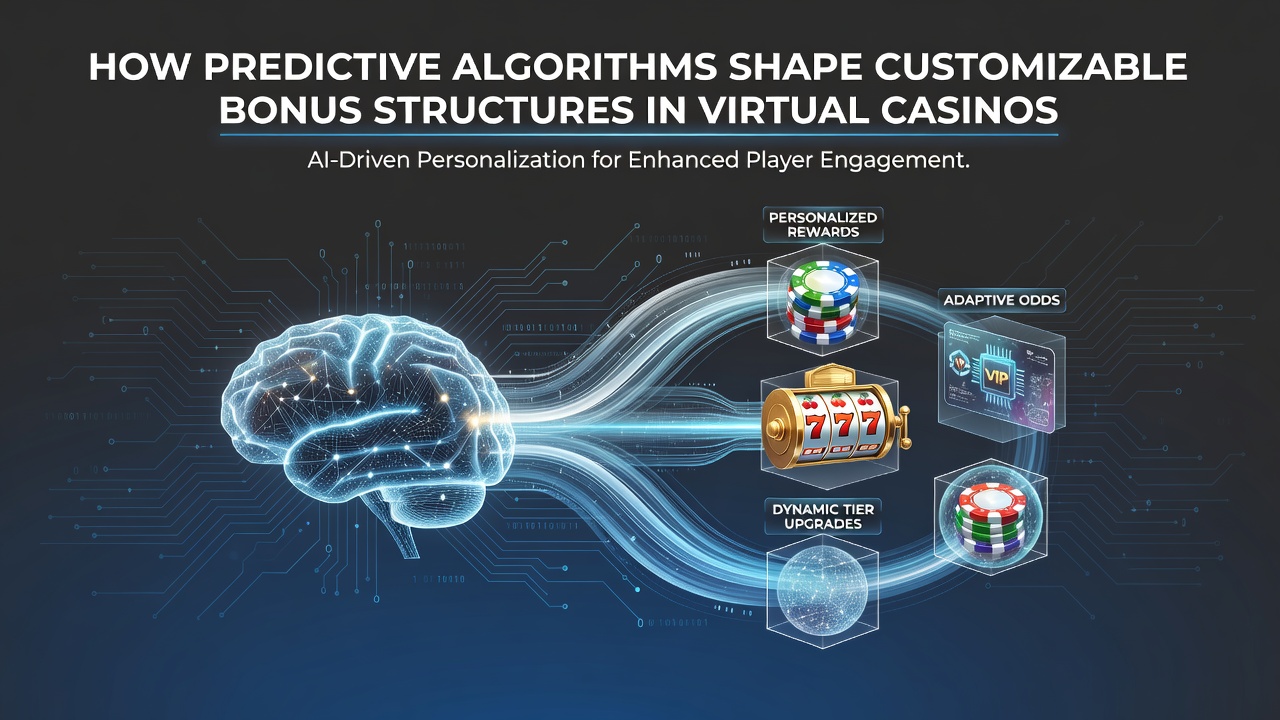
Predictive Modeling Transforms Bonus Personalization in Virtual Casino Environments
Virtual casinos rely on predictive algorithms to analyze player behavior patterns and generate tailored bonus offers that adjust in real time, and these systems pull data from deposit history, game preferences, session lengths, and win-loss ratios to forecast engagement levels. Operators feed this information into machine learning models that segment users into categories such as high-value, at-risk, or occasional players, then automatically assign bonus structures like deposit matches, free spins, or cashback percentages that match each predicted profile. Data from industry reports shows these approaches emerged prominently after 2022 when major platforms integrated cloud-based analytics tools, allowing continuous updates rather than static promotions.
Data Inputs and Model Training Processes
Algorithms draw from multiple sources including transaction logs, clickstream data, and device information while complying with privacy frameworks set by regulators in various jurisdictions, and training occurs on historical datasets that span months or years to identify correlations between specific incentives and retention rates. Researchers at institutions such as the University of Nevada have documented how supervised learning techniques refine predictions by weighting variables like time of day and game volatility, which leads to bonus offers that appear during periods when churn risk spikes. One study revealed that models retrained monthly achieved accuracy improvements of up to 18 percent compared with quarterly updates, demonstrating the value of frequent recalibration.
Customization Mechanisms in Practice
Once predictions form, systems trigger customized structures that vary by individual, for example offering progressive free spin tiers to players whose models indicate preference for slot titles while routing table game enthusiasts toward wager-free cashback, and these adjustments happen without manual intervention because rule engines execute decisions based on probability scores. Platforms monitor post-bonus performance metrics such as playthrough completion and return visits to feed results back into the models, creating closed-loop refinement that sharpens future targeting. Observers note that this loop operates across mobile and desktop interfaces simultaneously, ensuring consistency regardless of access point.
Take one mid-sized operator that implemented a neural network approach in early 2025, where the model identified a cluster of users likely to reduce activity after three consecutive losses, then deployed micro-bonuses scaled to recent bet sizes, resulting in measurable lifts in session frequency according to internal metrics shared at industry conferences. Similar techniques appear in live dealer environments, where predictive scoring anticipates when players might switch tables and surfaces loyalty rewards to maintain momentum. The approach aligns with broader trends in digital entertainment where personalization drives sustained participation.

Regulatory and Technical Considerations Across Regions
Authorities in North America and parts of Europe require transparency around algorithmic decision-making, which has prompted operators to maintain audit logs that document how predictions translate into bonus eligibility, and compliance teams review these records during periodic assessments to confirm fairness standards remain intact. Technical infrastructure typically combines edge computing for instant offer delivery with centralized servers that handle model updates, allowing platforms to scale during peak traffic without latency issues. Figures from the American Gaming Association indicate that adoption of such systems rose steadily through 2025, coinciding with increased investment in data infrastructure by both established brands and newer entrants.
What's notable is how these tools intersect with emerging standards expected in July 2026, when several jurisdictions plan to introduce updated guidelines on algorithmic accountability in gaming applications, and operators have already begun stress-testing their systems against proposed disclosure requirements. Integration with blockchain-based verification methods appears in select markets as well, providing immutable records of bonus calculations that satisfy oversight bodies focused on player protection. The result is a landscape where predictive capabilities expand while documentation practices evolve in tandem.
Industry-Wide Effects and Measurement
Market analyses from groups such as the European Gaming and Betting Association show that platforms using advanced personalization report higher average revenue per user in segments targeted by predictive bonuses, although overall industry growth depends on multiple factors including game variety and payment options. Case examples include operators that shifted from uniform welcome packages to dynamic structures, where new users receive offers calibrated to their first-session behavior rather than blanket promotions. This shift reduces instances of bonus abuse because models flag suspicious patterns early and adjust terms accordingly, such as shortening validity windows for high-risk accounts.
Longer multi-clause observations highlight that success metrics extend beyond immediate revenue to include lifetime value projections, with algorithms forecasting how bonus recipients progress through loyalty tiers over six to twelve months. Those projections guide budget allocation, directing larger reward pools toward segments expected to generate sustained activity. External research partnerships have contributed additional validation, confirming that well-calibrated models correlate with improved retention without compromising responsible gaming safeguards.
Conclusion
Predictive algorithms continue to refine how virtual casinos structure and deliver bonuses by processing diverse behavioral signals into actionable segments, and the ongoing maturation of these systems points toward greater precision in matching incentives with individual patterns. As technical capabilities advance alongside regulatory expectations, the frameworks supporting customizable rewards will likely incorporate additional data streams while maintaining focus on verifiable outcomes and compliance documentation.