Smartwatch Integration Enhances Compliance Monitoring in Betting Industries
Written by Taylor Krüger · Aug 16, 2026
Smartwatch Integration Enhances Compliance Monitoring in Betting Industries
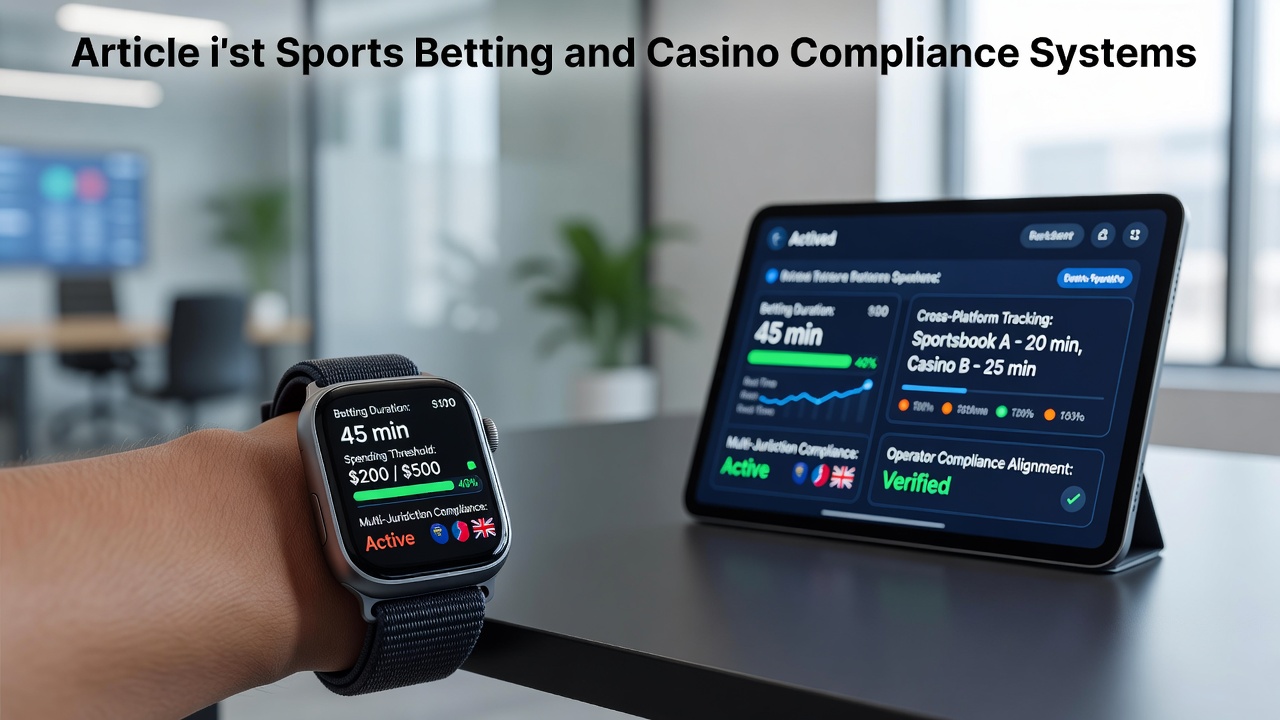
Smartwatch integration now tracks betting durations and spending thresholds across sportsbooks and casino platforms, allowing operators to align with compliance requirements in multiple jurisdictions while providing seamless data flow between wearable devices and backend systems. This development connects directly to regulatory frameworks that demand precise monitoring of player activity, and operators have begun rolling out these features to meet standards set by bodies such as the Nevada Gaming Control Board and the Australian Communications and Media Authority.
How Wearable Tracking Systems Operate
Smartwatches collect data on session length, wager amounts, and frequency through paired applications that sync in real time with sportsbook and casino servers, then flag potential issues when thresholds are approached. Developers integrate these tools using APIs that pull biometric signals alongside transaction logs, which creates a continuous record without requiring separate device logins. Operators report that this setup reduces manual reporting burdens because automated alerts notify compliance teams when a player nears limits established by local rules, and the same data streams support cross-border consistency for companies active in both North American and Asia-Pacific markets.
Technical Components Behind the Integration
Applications on watches such as those running watchOS or Wear OS pull location data, heart rate patterns, and session timers while linking them to account profiles on the gambling platform, and this combination lets systems distinguish between casual play and extended activity that may require intervention. Software updates rolled out in early 2026 added encrypted channels that protect sensitive information during transmission, which satisfies data protection rules in the European Union alongside those in Canadian provinces. One study from a research team at the University of Nevada Reno examined pilot programs and found that connection latency stayed below two seconds in most cases, enabling near-instant notifications to both users and regulators.
Alignment With Multi-Jurisdictional Rules
Different regions impose distinct requirements on session monitoring and loss limits, yet the smartwatch layer allows a single technical backbone to adapt through configurable parameters that operators adjust per market. In the United States, certain tribal gaming authorities have begun accepting wearable-derived reports as part of their responsible gambling audits, while Australian state regulators reference similar datasets when reviewing license renewals. This flexibility means a platform operating in Nevada and Queensland can apply the same core tracking code but customize threshold values and reporting formats without rebuilding the entire system each time a new rule appears.
August 2026 brought the first large-scale deployment across several major platforms after initial tests concluded in the spring, and data collected during those months showed measurable reductions in unreported high-duration sessions. Industry associations including the World Lottery Association have noted that wearable tracking provides verifiable logs that regulators can audit more efficiently than traditional self-reported surveys, and this shift has prompted some jurisdictions to update their technical standards documents to include wearable device specifications.
Effects on Operators and Platform Design
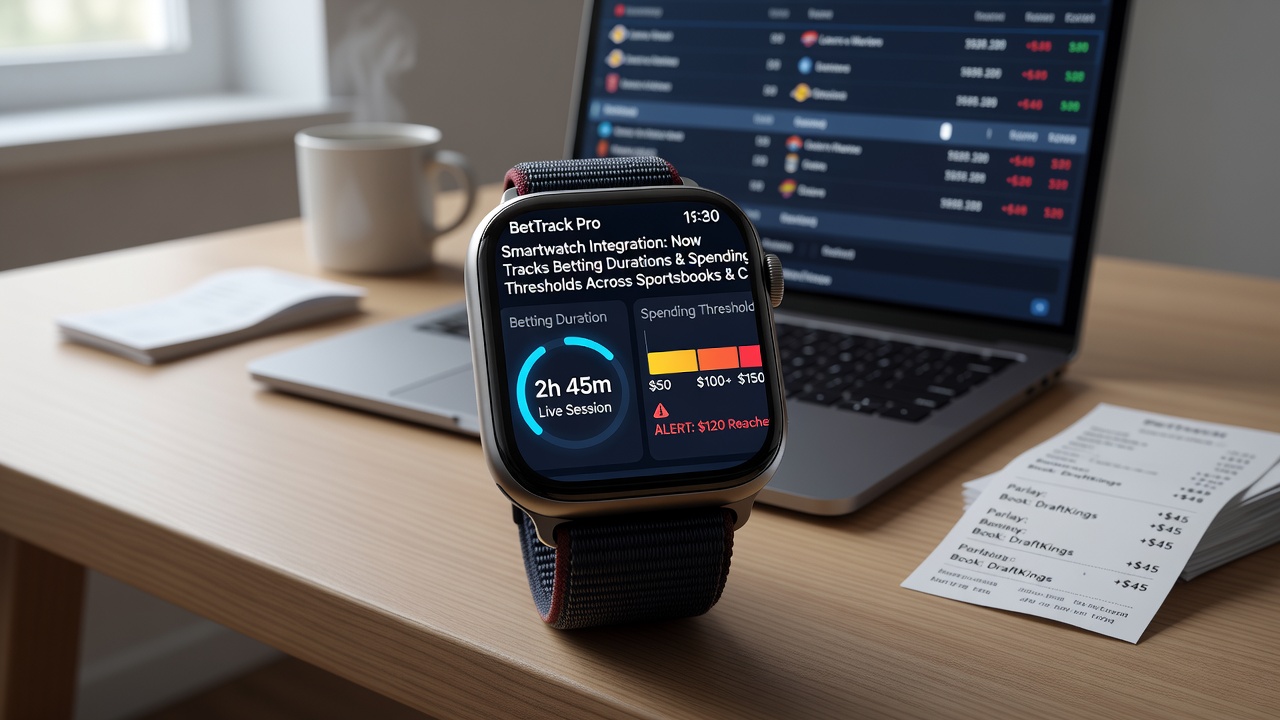
Companies that adopted the technology early adjusted their mobile app interfaces to display duration counters directly on the watch face, which keeps players informed without interrupting gameplay on the primary screen. Backend teams use aggregated anonymous datasets to refine risk models, and these insights feed into marketing decisions that stay within permitted spend bands. Implementation costs have dropped as third-party SDKs matured, allowing smaller operators to incorporate the same capabilities that larger groups already use across multiple continents.
Player-Facing Features and Notifications
Users receive optional haptic alerts when approaching predefined spending or time thresholds, and they can set personal limits that sync automatically with operator systems. These notifications draw from the same data streams regulators require, which creates consistency between voluntary tools and mandatory compliance checks. Observers have documented cases where players who enabled watch alerts reduced average session lengths by noticeable margins, although individual results vary based on game type and personal habits.
Broader Industry Implications
Research from academic groups and trade organizations indicates that wearable integration supports more granular responsible gambling programs than earlier methods allowed, and this granularity helps operators demonstrate adherence during licensing reviews. Partnerships between device manufacturers and gambling software providers have accelerated since 2025, resulting in standardized data formats that simplify audits across borders. The approach also opens possibilities for future expansions such as integration with additional health metrics that some regulators may consider when evaluating harm minimization strategies.
Conclusion
Smartwatch capabilities have moved from experimental add-ons to core compliance infrastructure in numerous markets, and the pattern of adoption suggests continued expansion through the remainder of 2026 and beyond. Operators gain streamlined reporting processes while meeting varied jurisdictional demands, and the underlying technology continues to evolve through iterative updates that refine accuracy and user experience. Data flows from these devices now form part of standard audit trails submitted to regulators in multiple regions, establishing a practical model for technology-assisted oversight in the betting sector.