Subscription Services Redefining Premium Content Access in Worldwide Gaming Markets
Written by Taylor Walter · Aug 23, 2026
Subscription Services Redefining Premium Content Access in Worldwide Gaming Markets
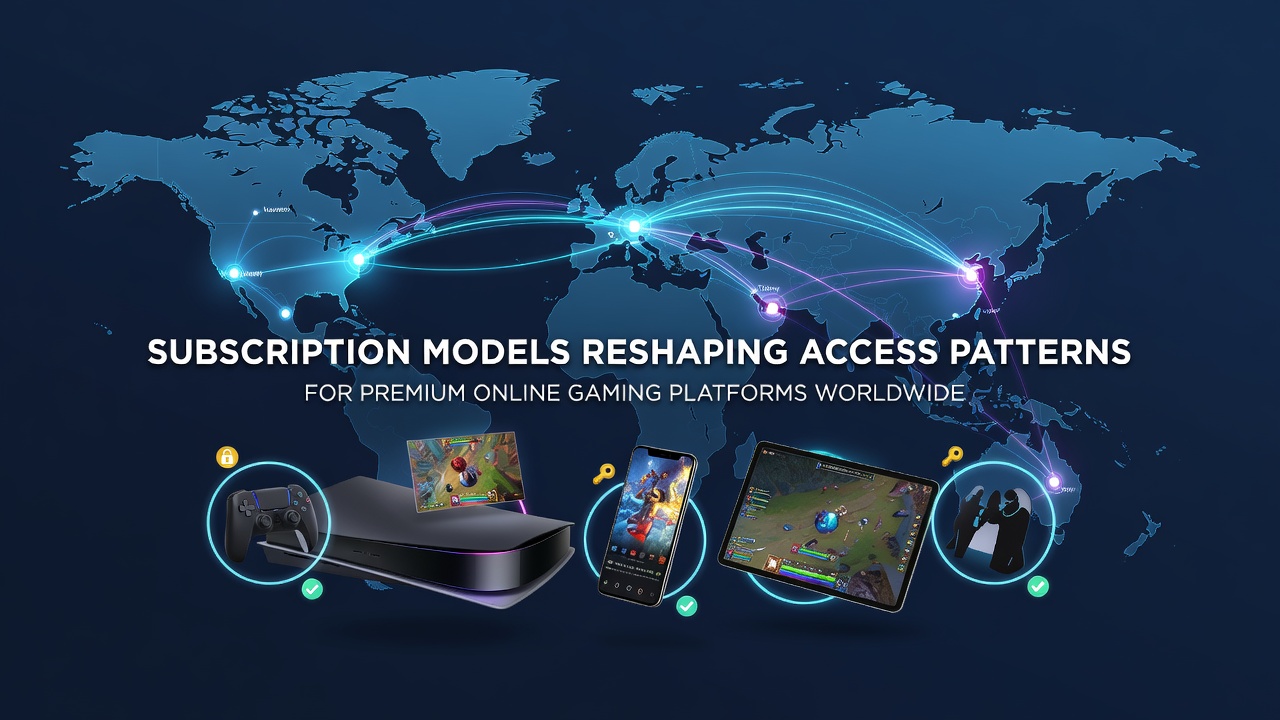
Subscription models have expanded across premium online gaming platforms since the mid-2010s, and data from industry reports shows steady growth in user adoption rates through 2025. Platforms such as Xbox Game Pass, PlayStation Plus, and EA Play now structure access around recurring payments rather than individual purchases, while Steam and other storefronts test similar tiered offerings. Research indicates that these arrangements alter how players discover, try, and retain engagement with high-budget titles across console, PC, and cloud environments.
Expansion Patterns Across Major Markets
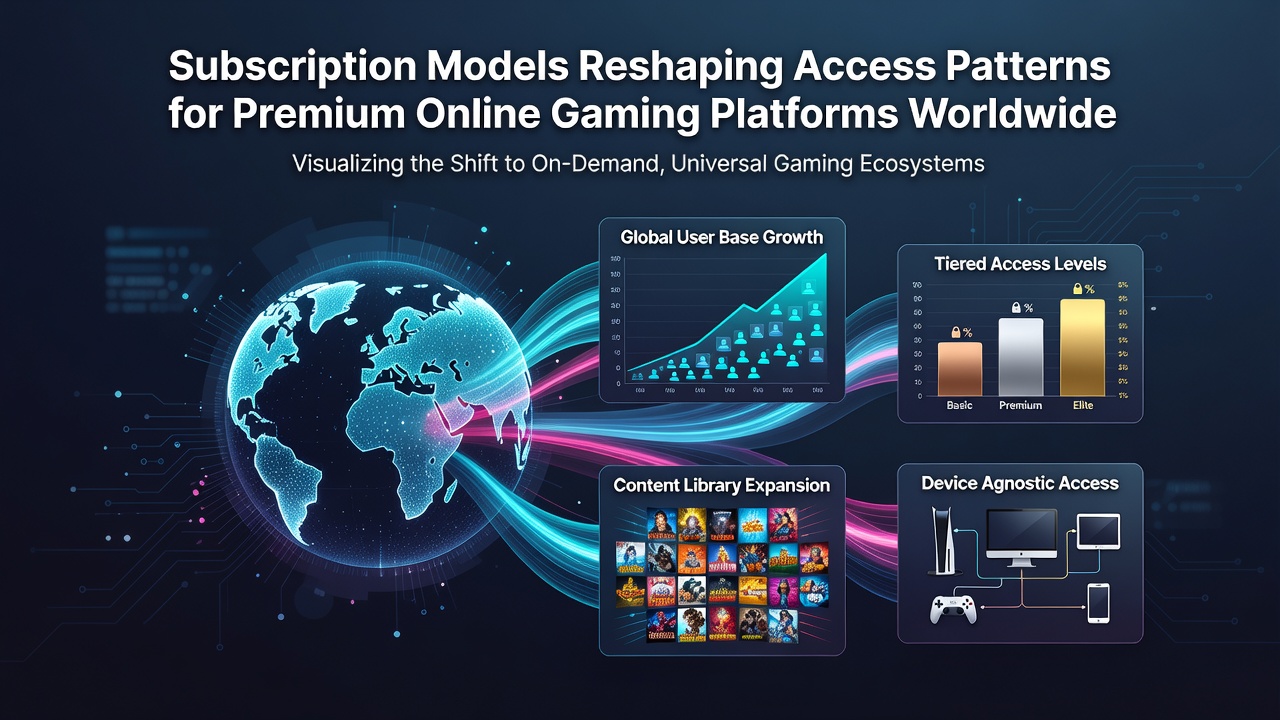
North American and European operators introduced broad libraries earlier than many Asian counterparts, yet adoption accelerated globally after 2020 when hardware sales plateaued in several regions. Figures from the Entertainment Software Association reveal that subscription revenue in the United States reached multi-billion-dollar levels by 2024, driven by day-one releases for select first-party games. In parallel, European Union data on digital services shows increased cross-border subscriptions, particularly among younger demographics who maintain multiple regional accounts to access localized catalogs. Canadian regulators and Australian competition authorities have both documented rising consumer spending on bundled services that combine core games with add-on content packs.
Shifts in Player Discovery and Retention
Traditional ownership models encouraged selective buying based on reviews and trailers, whereas subscription access lowers the financial barrier for sampling unfamiliar genres. Analysts at research firms note that average library sizes per user have grown, and completion rates for single-player campaigns have risen on services that include progress tracking across devices. Cloud streaming variants further extend reach to lower-spec hardware, allowing participation without large downloads. Observers note that monthly churn fluctuates with release calendars, as major titles prompt temporary spikes followed by stabilization once the initial play window closes.
Regional Regulatory and Infrastructure Influences
Policy frameworks differ sharply by jurisdiction. South Korea and Japan maintain distinct approaches to digital distribution that affect how local publishers integrate subscription tiers, while China continues to require separate approvals for online content distribution. In Latin American markets, currency volatility has prompted platforms to offer localized pricing tiers that adjust automatically with exchange rates. Infrastructure upgrades, including expanded 5G coverage in parts of Southeast Asia and the Middle East, have coincided with higher subscription uptake on mobile devices. Reports from academic centers studying digital economies highlight that latency reductions correlate with longer average session times among subscribers using cloud options.
Publisher Responses and Content Strategies
Developers and publishers adjust release schedules and monetization layers in response to subscription economics. Some studios allocate portions of budgets to live-service features that encourage ongoing play within library titles, while others prioritize premium single-player experiences that benefit from the visibility a subscription platform provides. Data collected through platform analytics shows that games added to subscription catalogs often experience secondary sales spikes for cosmetic items or expansions purchased by active subscribers. Third-party publishers have negotiated revenue-share terms that balance upfront licensing fees against performance-based incentives tied to playtime metrics.
Emerging Trends Through Mid-2026
By August 2026 several platforms had introduced family-sharing extensions and cross-progression tools that sync saves across multiple accounts, reflecting consumer demand for flexible household access. Integration of generative AI tools for in-game assistance appears in select titles offered through subscription libraries, though adoption remains uneven. Industry associations continue to track how these features influence overall engagement patterns without displacing outright purchase options for collectors and competitive players.
Conclusion
Subscription frameworks continue to coexist with traditional sales and free-to-play structures, creating layered access options that vary by region, device, and content type. Available data from government statistical agencies and trade groups shows sustained evolution rather than wholesale replacement of prior models, with platforms refining pricing, catalog composition, and technical delivery in response to measured user behavior across global markets.