Unified Loyalty Frameworks: Slot Achievements Fueling Live Dealer Perks in Licensed Markets
Written by Ulrich Hughes · Jun 7, 2026
Unified Loyalty Frameworks: Slot Achievements Fueling Live Dealer Perks in Licensed Markets
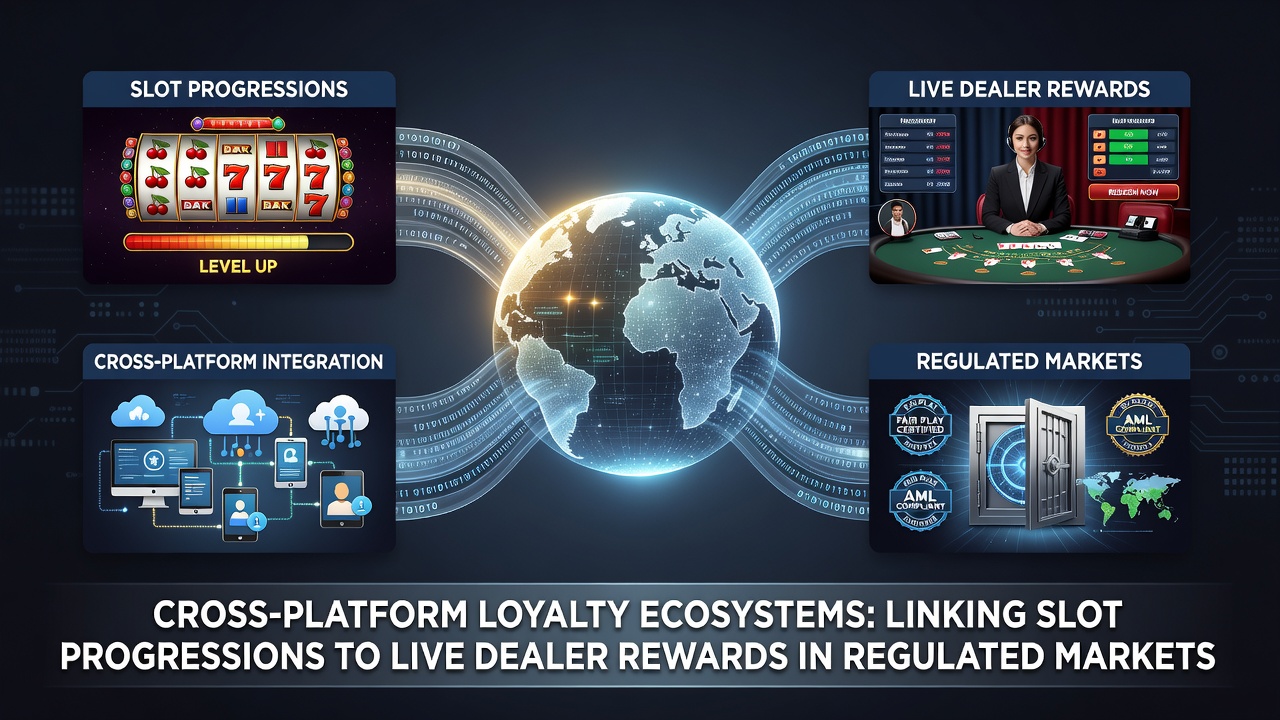
Integrated loyalty systems now connect slot progression milestones directly with live dealer incentives across multiple regulated jurisdictions, allowing players to carry forward achievements from one game type to another without platform resets. These ecosystems operate through centralized player accounts that track points earned during slot sessions and convert them into credits, table access, or exclusive live game features at partner sites. Data from state regulators shows steady adoption rates in markets where cross-licensing agreements permit such transfers.
How Progression Systems Operate Across Platforms
Slot progressions typically accumulate through reel spins, bonus rounds, and level advancements that generate loyalty points at fixed ratios set by each operator. Those points then flow into a shared ledger accessible during live dealer sessions, where they unlock rewards such as reserved seats at blackjack tables, multiplier boosts during roulette spins, or complimentary bets on baccarat hands. Operators maintain these linkages through API connections that update in real time, ensuring balances remain consistent whether a player switches devices or game categories. Research from the University of Nevada Reno Gaming Innovation Lab indicates that such linkages reduce player churn by synchronizing reward pathways rather than isolating them within single game verticals.
Regulatory Oversight in Key Markets
Controlled environments enforce strict rules on how loyalty data moves between slot and live dealer offerings, requiring operators to maintain audit trails for every point transfer. In New Jersey, the Division of Gaming Enforcement mandates that all cross-platform rewards receive pre-approval and that player funds remain segregated until redemption occurs. Similar frameworks exist in Australian states where state-based commissions review conversion rates to prevent unfair advantage calculations. As of June 2026, several European jurisdictions expanded their licensing conditions to include mandatory reporting on loyalty ecosystem performance, focusing on transparency around reward valuation and redemption timelines. These measures align with broader efforts to standardize player protection across digital and live environments.
Implementation Examples from Licensed Operators
One major platform group operating in multiple U.S. states and Canadian provinces implemented a tiered system where every 500 slot points convert into one live dealer chip package. Players who reach higher slot levels gain priority access to private live streams and reduced house edges during promotional periods. Figures released by the New Jersey Division of Gaming Enforcement reveal that participating operators recorded a 22 percent increase in live game session lengths after introducing these linkages. Another case involves an Australian operator that ties slot milestone badges to live dealer tournament entries, with data showing higher participation numbers among players who previously focused solely on slots. These examples demonstrate how the ecosystems function within existing compliance structures without requiring new legislation.
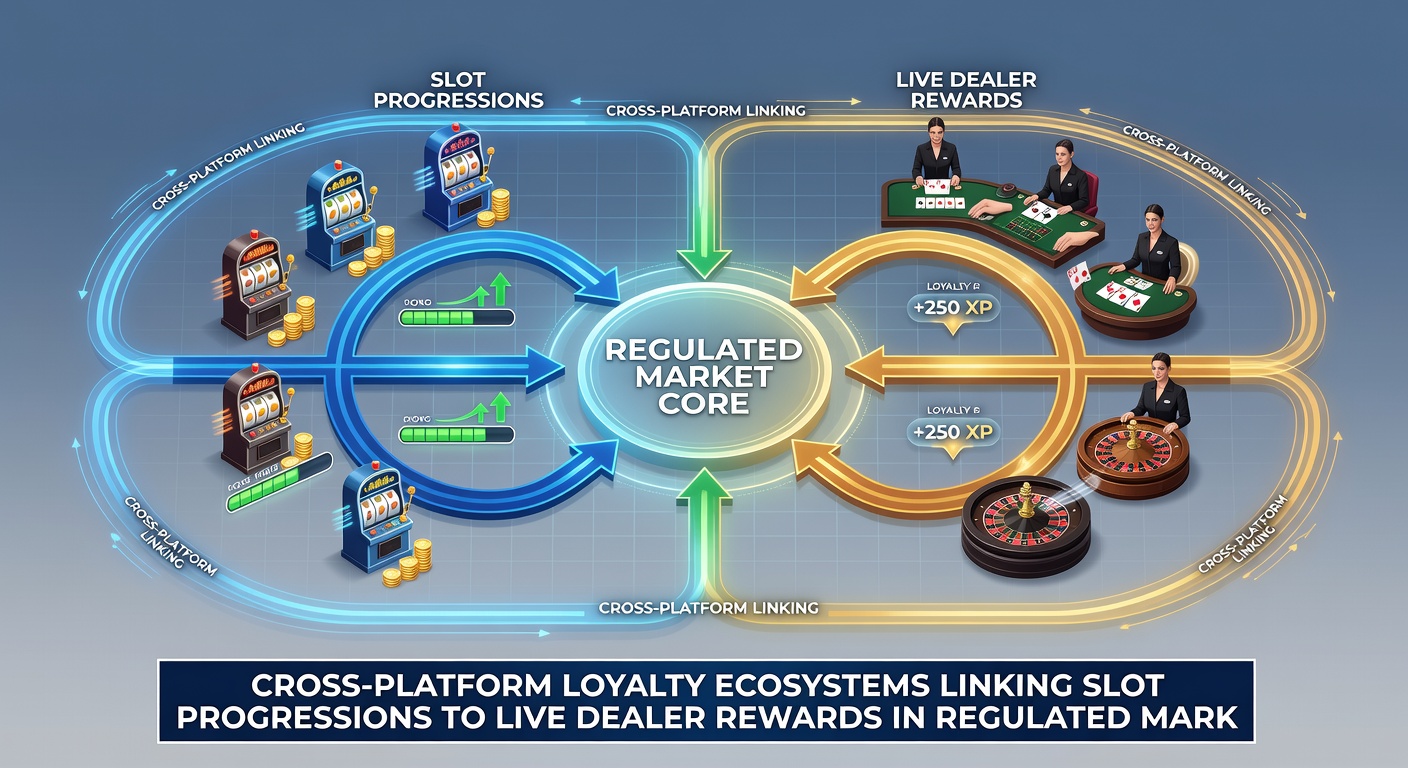
Observers note that successful deployments often rely on partnerships between slot providers and live game studios to ensure seamless point synchronization. Technical standards developed by industry groups such as the European Gaming and Betting Association support these connections through standardized data formats that regulators can review during audits. Players benefit from unified dashboards that display both slot advancement status and available live dealer perks in one view.
Data Trends and Player Behavior Patterns
Industry reports compiled through 2025 and into 2026 indicate rising usage of cross-platform loyalty features in regulated markets, with average point transfer volumes increasing quarter over quarter. Analysis of transaction logs shows that players who engage with both slot and live dealer options within the same ecosystem tend to maintain longer account activity periods compared to those restricted to single categories. Academic papers from the International Centre for Gaming Research at the University of Macau document similar patterns in Asian regulated markets where point portability has been permitted for several years. The trends suggest that these systems encourage exploration across game types while remaining within licensed operator networks.
Technical and Compliance Requirements
Operators must integrate secure encryption protocols and real-time monitoring tools to handle loyalty data flows between slot and live dealer modules. Regular third-party testing verifies that conversion algorithms adhere to approved formulas and that no unauthorized adjustments occur. Regulators in multiple jurisdictions require annual submissions detailing system architecture, point valuation methods, and any changes to reward structures. These requirements help maintain integrity across ecosystems that span different game providers and geographic licenses.
Conclusion
Cross-platform loyalty ecosystems continue to expand within regulated markets by linking slot progressions with live dealer rewards through verified technical and compliance frameworks. Data from government agencies and academic sources confirms measurable effects on player engagement metrics across U.S., Australian, and European jurisdictions. As licensing conditions evolve, these systems provide structured pathways for reward portability while operating under existing oversight mechanisms.