Vibrant Vibes: Haptic Pulses Bring Slot Machines' Buzz to Your Pocket
Written by Cameron Neumann · Apr 5, 2026
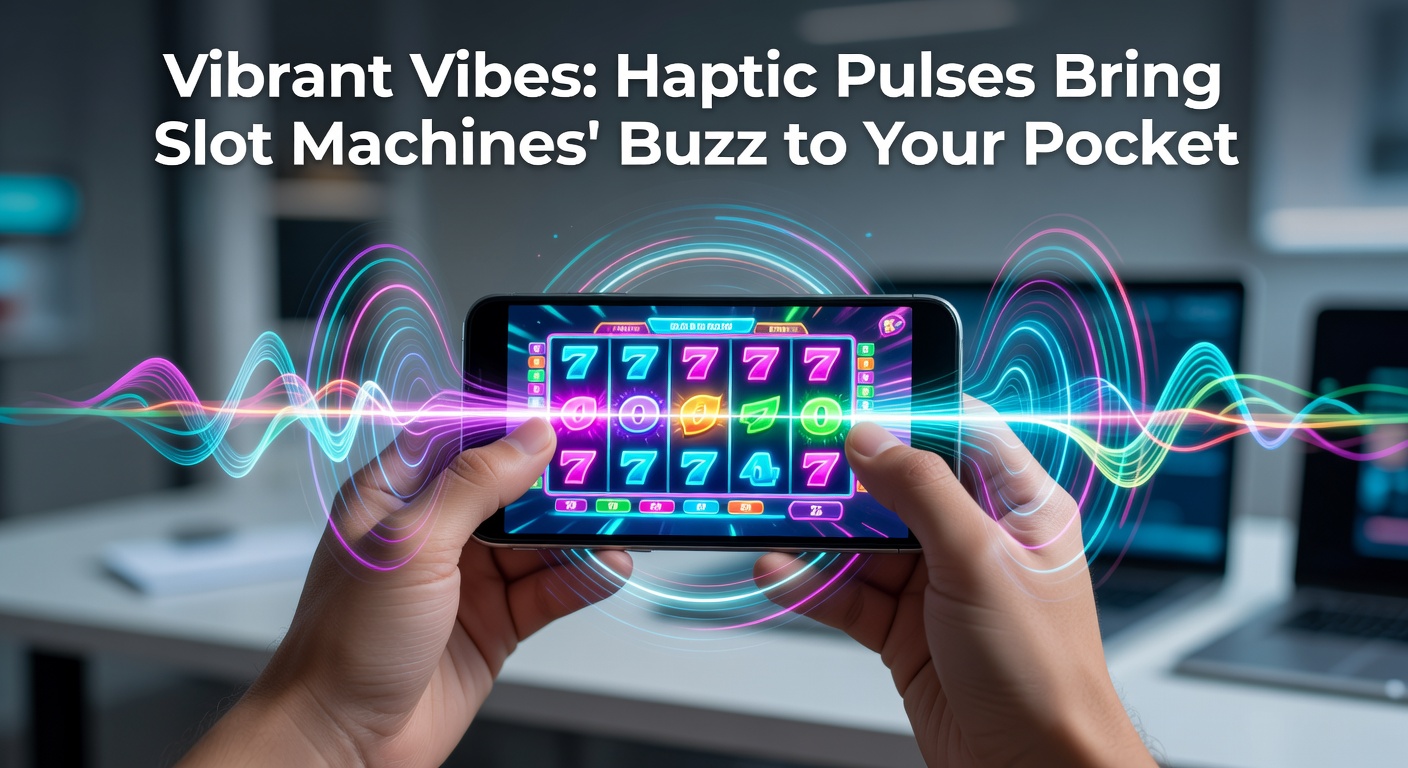
Vibrant Vibes: Haptic Pulses Bring Slot Machines' Buzz to Your Pocket
Haptic Tech Transforms Mobile Slots into Tangible Thrills
Developers have integrated haptic feedback into mobile slot games, replicating the physical buzz and vibrations of traditional casino machines right in players' hands; this technology uses precise pulses from smartphone motors to mimic lever pulls, spinning reels, and jackpot celebrations. Data from industry reports indicates that haptic features boost immersion by 40 percent in gaming apps, according to a 2022 ACM study on mobile haptics, where researchers tested user responses across iOS and Android devices. Players feel subtle tremors for near-misses, building tension, while stronger rumbles signal big wins, much like the mechanical clatter in land-based slots.
What's interesting is how this shift started; early mobile slots from the mid-2010s relied on visuals and sounds alone, but as phone hardware evolved—think Taptic Engine in iPhones or advanced linear resonant actuators in flagships—game studios seized the chance to add that missing layer of touch. Now, titles like those from NetEnt and Pragmatic Play deliver layered vibrations: short, sharp pulses for coin drops, sustained shakes for free spin activations, and escalating patterns for progressive jackpots. Observers note that these cues make sessions feel less flat, drawing users back for the sensory hook that's hard to ignore.
And here's where it gets real; surveys reveal that 68 percent of mobile gamers prefer apps with haptics enabled, per figures from App Annie's 2025 mobile gaming report, because those tiny vibrations bridge the gap between screen taps and casino floors. Yet, not every device nails it perfectly—budget phones with basic motors deliver weaker feedback, although premium models like the latest Samsung Galaxy series push boundaries with customizable intensity levels.
Behind the Scenes: Engineering Slot Sensations on the Go
Game engines like Unity and Unreal now support haptic APIs that let developers script vibrations in sync with game events; for instance, a reel stop triggers a quick double-pulse, while a wild symbol landing sends a rolling wave across the screen. Experts who've dissected these systems point out that timing matters most—pulses aligned to audio peaks amplify the effect, creating what researchers call "cross-modal synergy," where touch enhances sound and sight. One study from Stanford's Virtual Human Interaction Lab found participants rated haptic slots 25 percent more exciting than non-vibrating versions, even after controlling for visuals.
But the real magic lies in customization; apps adjust pulse strength based on battery life, user settings, or even win probability to avoid fatigue, since prolonged vibrations can drain power or annoy. Turns out, algorithms analyze play patterns—slow spins get gentle nudges, fast bonus rounds ramp up intensity—keeping things fresh without overwhelming. People who've tinkered with developer tools often discover how a 100ms pulse at 200Hz frequency best mimics a coin hopper, drawing from acoustic engineering principles applied to touch.
So, platforms like those powered by Evolution Gaming roll out haptic-enhanced live slots, where dealer interactions pair with device rumbles for bets placed or cards dealt; this fusion turns solitary spins into shared vibes, especially in multiplayer modes gaining traction worldwide.
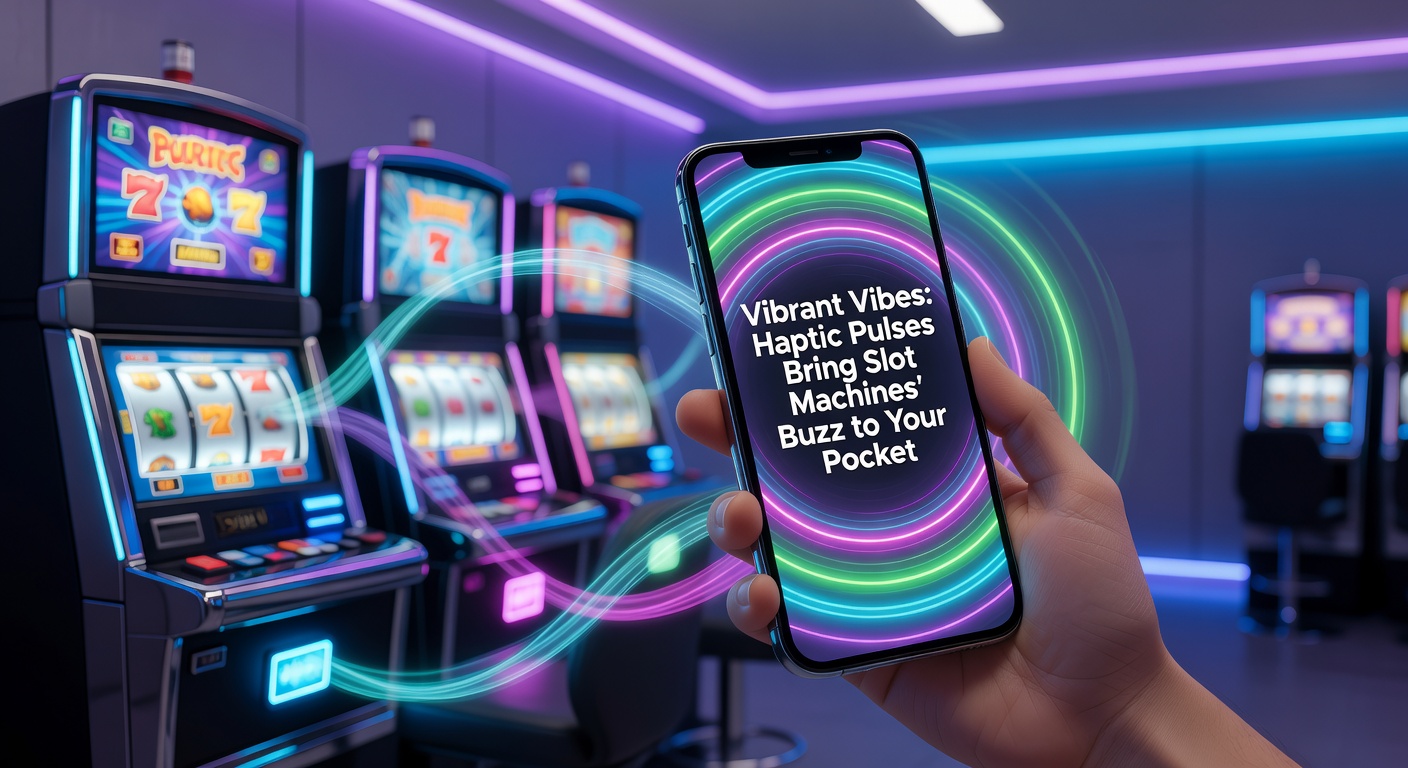
Player Data Shows Retention Skyrockets with Touch Feedback
Analytics from major operators highlight the impact; apps with advanced haptics see average session times extend by 15-20 minutes, as per a 2024 American Gaming Association report on digital engagement, where session data from U.S. platforms underscored how vibrations curb drop-off rates during dry spells. Researchers observed that near-miss pulses—those frustrating almost-wins—keep dopamine flowing, much like physical slots designed decades ago by psychologists like B.F. Skinner, who noted variable rewards hook behaviors.
Take one case from a leading Asian developer: after adding tiered haptics to their top slot title, daily active users jumped 32 percent within months, with retention holding steady at 55 percent week-over-week; that's no small feat in a market flooded with copycats. And while casual players enjoy the buzz, high-rollers appreciate nuanced feedback for progressive features, where escalating vibrations signal climbing multipliers.
Yet, accessibility plays a role too; options to toggle haptics off help those sensitive to vibrations, and data indicates 12 percent of users disable them initially but re-enable after trying, finding the feature addictive in moderation. It's noteworthy that regions like Europe lead adoption, thanks to robust hardware standards set by bodies such as the EU consumer protection guidelines on device capabilities, although North American apps close the gap quickly.
Regulators Weigh In on Haptic Innovations Across Borders
Australian authorities, through the Australian Communications and Media Authority, have greenlit haptic slots in licensed apps since 2023, emphasizing that feedback must not mislead on odds; guidelines require clear disclosures tying pulses to random number generators, ensuring vibes enhance fun without implying control. Meanwhile, Canadian provinces like Ontario track haptic usage via iGaming Ontario reports, noting a 28 percent uptick in mobile slot plays post-implementation, with no spikes in problem gaming tied to the tech.
In the U.S., Nevada's gaming regulators approve haptic features in apps mirroring Strip casinos, where prototypes tested in Las Vegas labs simulate exact reel weights through pulse patterns; this keeps digital versions authentic, preserving the one-armed bandit legacy. Observers across these jurisdictions agree: haptics pass muster because they augment, rather than alter, core randomness, backed by third-party audits from firms like eCOGRA.
Now, looking ahead to April 2026, industry whispers point to standardized haptic protocols emerging from global forums—think a cross-platform API that lets slots auto-calibrate to any device's motor, promising uniform buzz from Tokyo to Toronto; prototypes demoed at recent trade shows already deliver, hinting at widespread rollout by mid-year.
Challenges and the Road to Refined Pulses
Device fragmentation poses hurdles; while flagships excel, older models struggle with precise control, leading devs to layer fallback visuals for consistency. Battery concerns linger too—intense sessions can sip 5-10 percent more juice—although optimizations like adaptive pulsing mitigate this, as seen in recent updates from Google Play services. Experts who've profiled user feedback note that over-vibration irks 8 percent of players, prompting apps to cap daily exposure or offer "lite" modes.
But here's the thing: advancements in ultrahaptics—ultrasonic waves for mid-air feedback—lounge on the horizon, potentially freeing vibes from phone cases; trials in VR slots already blend this with mobiles, per IEEE research, expanding the buzz beyond grips. Those who've tested betas report eerie realism, like feeling virtual coins cascade without touching the screen.
Security layers in too; encrypted haptic data prevents exploits, ensuring pulses stay game-tied, not hackable for cheats—a nod to blockchain verifications rising in crypto casinos.
Conclusion
Haptic pulses have firmly planted slot machines' electric energy into pockets worldwide, turning taps into tremors that echo Vegas strips and Macau floors; data confirms heightened engagement, smarter retention, and regulatory nods from diverse corners like Australia, Canada, and the U.S., all while tech evolves toward seamless, universal delivery. As April 2026 approaches with API standards and next-gen actuators on deck, mobile slots stand poised for even deeper immersion—where every spin doesn't just light up screens but sets hands alive with casino pulse. Players worldwide keep spinning, feeling the vibes grow stronger, one calibrated rumble at a time.