Wearable Technology Links to Casino Apps for Monitoring Play Sessions and Issuing Alerts
Written by Taylor Krüger · Aug 27, 2026
Wearable Technology Links to Casino Apps for Monitoring Play Sessions and Issuing Alerts
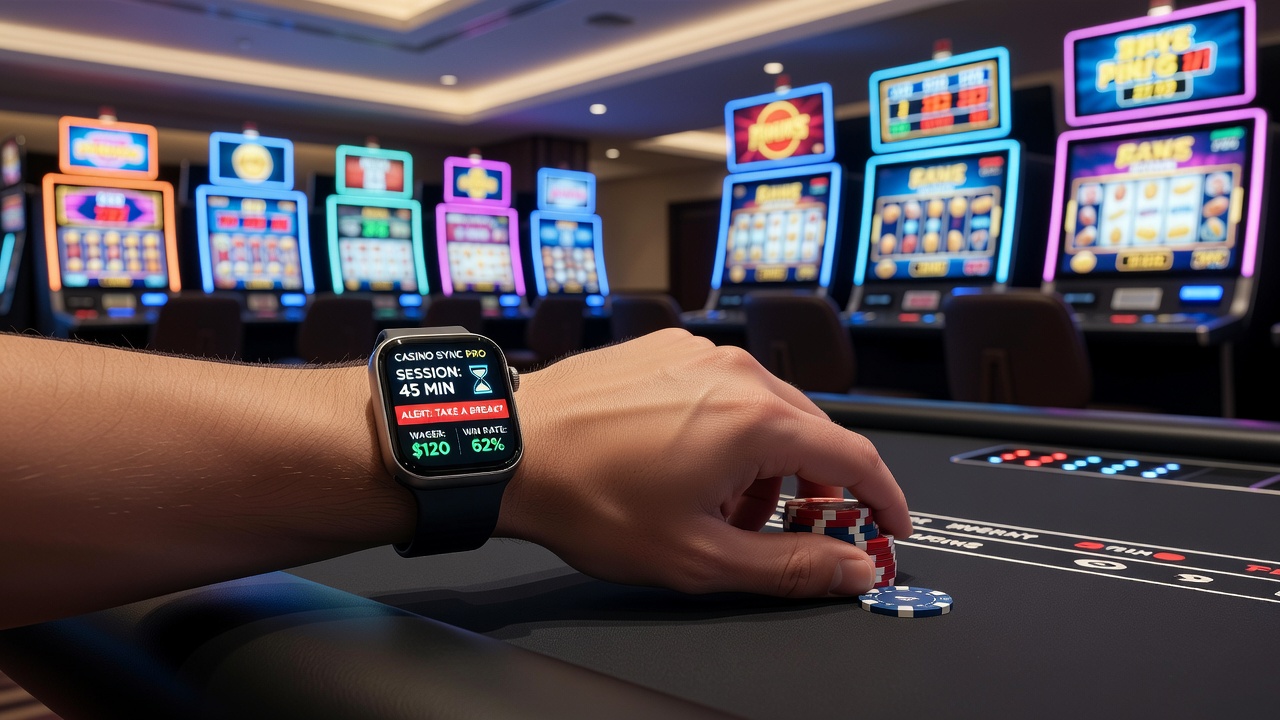
Developments in wearable technology now allow direct connections between fitness trackers, smartwatches and casino applications so that session lengths can be recorded automatically while players receive notifications during active games. These integrations pull data from heart rate monitors, step counters and sleep trackers to estimate time spent on gambling platforms and trigger reminders at set intervals. Systems like these emerged in pilot programs during 2025 and expanded across multiple operators by August 2026, with several major platforms adopting standardized APIs that link devices from Apple, Garmin and Fitbit directly to their mobile applications.
Core Mechanics Behind Device and App Connections
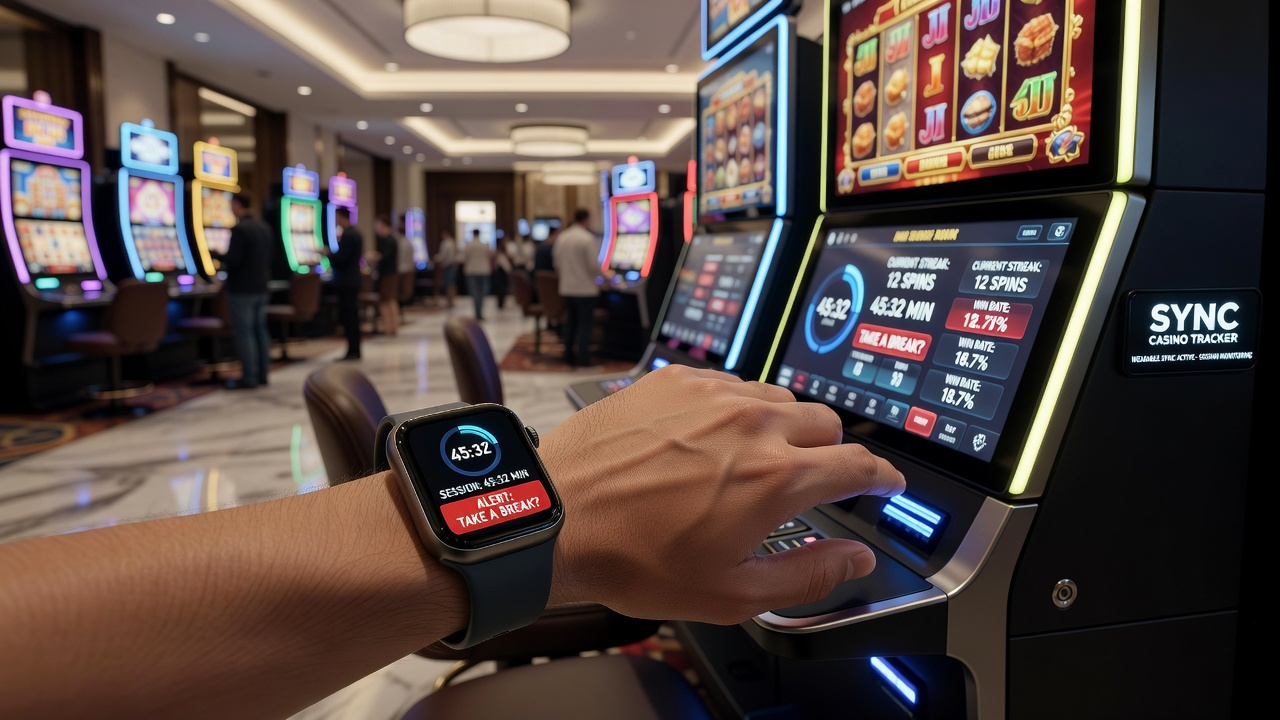
Once a player enables the feature inside a casino app the wearable transmits real-time metrics through Bluetooth or cloud-based synchronization, and the application calculates elapsed time since login while cross-referencing activity levels that might indicate prolonged sitting. Alerts appear as gentle vibrations or on-screen messages when thresholds such as 60 or 90 minutes are reached, and some versions also factor in biometric signals like elevated heart rate to suggest a break. Data shows that these alerts are generated locally on the device first before any server confirmation occurs, which keeps latency low and maintains player privacy during live sessions.
Implementation Across Different Regions
Operators in Nevada began testing similar systems in late 2025 under guidelines from the Nevada Gaming Control Board, while Australian state regulators required comparable session tracking tools for new app approvals starting in early 2026. In Canada the Alcohol and Gaming Commission of Ontario reviewed pilot data from two major platforms and noted that players who received mid-session notifications reduced average play duration by measurable margins in controlled trials. These regional approaches differ in mandatory versus voluntary status yet share the same technical foundation of API handshakes between wearables and gambling software.
Take one platform that partnered with a university research group to refine alert timing algorithms; the study revealed that messages delivered after 75 minutes produced higher compliance rates than earlier or later prompts. Observers note that integration requires explicit user consent each time a new session begins, and device permissions can be revoked instantly without affecting the underlying casino account. Figures from industry reports indicate that adoption rates climbed steadily through mid-2026 as more wearables added native support for gambling-related health metrics.
Data Privacy and Security Considerations
Because biometric information flows between devices and apps, encryption standards follow those already used in health applications, and operators store aggregated session statistics separately from personal identifiers. Researchers at academic institutions have examined how such systems handle data retention policies, and findings indicate that most platforms delete raw wearable data within 30 days unless users opt into longer-term responsible gambling reports. Security audits conducted by third-party firms confirm that session alerts do not expose account balances or betting history to the wearable manufacturer, maintaining separation between health data and financial records.
Player Response Patterns Observed So Far
Analytics from several operators show that alerts delivered through vibration tend to be acknowledged faster than those shown only on the phone screen, and repeat notifications after five minutes without response increase the likelihood that players log out or switch to non-gambling activities. One case study tracked a cohort of users over three months and found that consistent alert exposure correlated with shorter average session lengths, although individual results varied based on game type and time of day. Platforms continue to adjust default thresholds based on aggregated feedback while keeping the system optional for those who prefer uninterrupted play.
What's interesting is how these tools align with broader responsible gambling frameworks already in place across different jurisdictions. European operators incorporated similar features after reviewing guidelines from the Malta Gaming Authority, and data released in August 2026 highlighted that wearable-linked alerts reached users who had previously ignored on-screen pop-ups. The approach relies on passive monitoring rather than active intervention, which allows players to maintain control while still receiving objective time-based information.
Technical Challenges and Ongoing Refinements
Battery life on wearables remains a limiting factor during extended sessions, and developers have introduced low-power modes that reduce sampling frequency once a session exceeds two hours. Compatibility issues arise when operating system updates change Bluetooth protocols, yet manufacturers and casino software teams now coordinate release schedules to minimize disruptions. Testing continues on predictive models that combine movement data with historical patterns to anticipate when a player might benefit from an earlier alert, and early results suggest improved timing accuracy without increasing false positives.
Additional sensors such as blood oxygen monitors and skin temperature readings are being evaluated for future inclusion, although current implementations focus primarily on time tracking and basic activity levels. Industry groups including the International Center for Responsible Gaming have published frameworks that outline best practices for integrating these technologies while respecting user autonomy and data protection standards.
Conclusion
Integration between wearable devices and casino applications continues to evolve as more platforms adopt session monitoring tools that issue alerts based on elapsed time and biometric signals. Regional regulators in Nevada, Ontario and Australian states have incorporated these capabilities into licensing requirements or voluntary programs, and data from August 2026 shows measurable shifts in average play durations among users who enable the features. Ongoing refinements address privacy, battery performance and alert timing while keeping teh systems optional and transparent for players who choose to connect their devices.